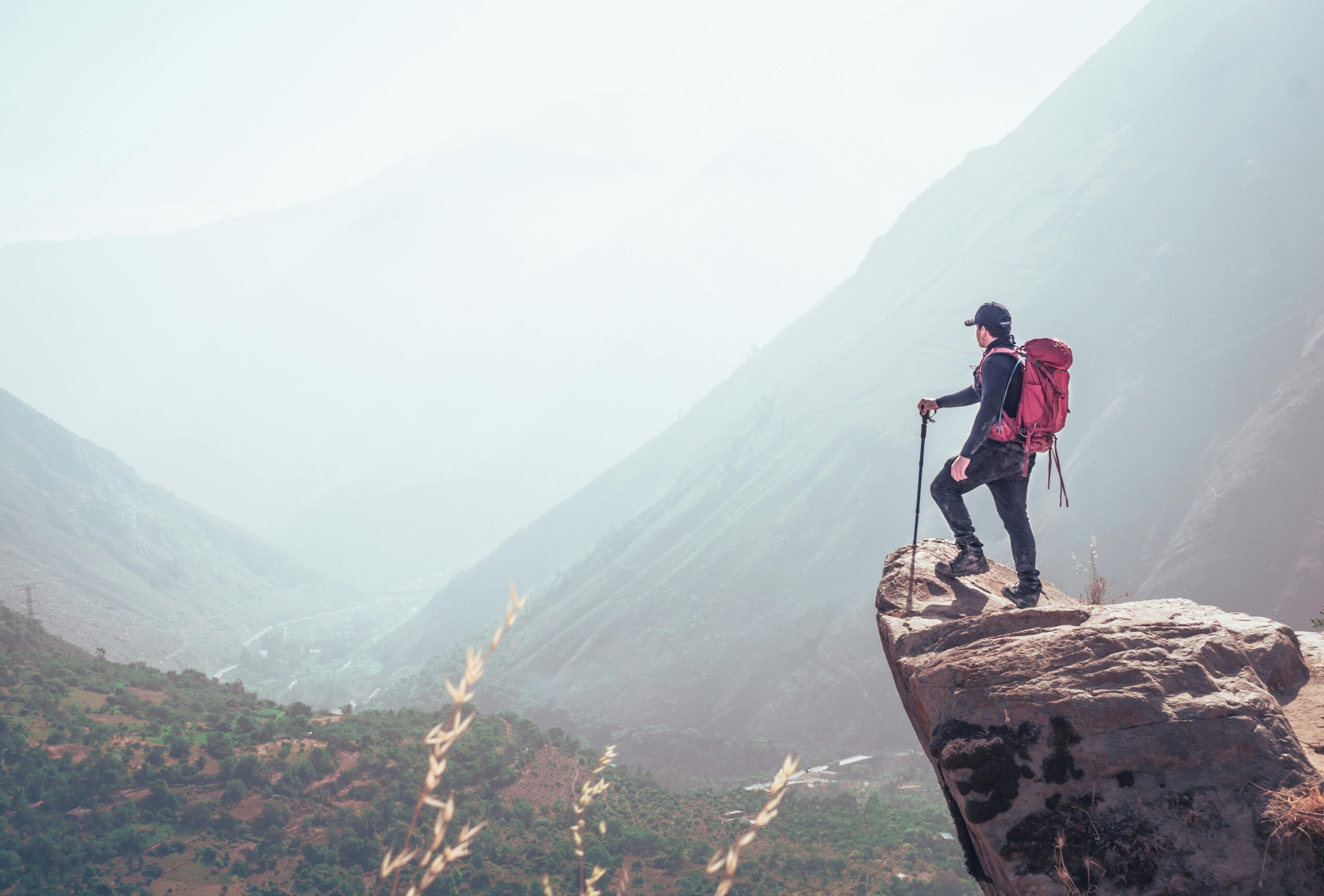
So, you’ve decided to hit the trail solo. No buddy to debate trail snacks with. No one slowing you down. Just you, the trees, and maybe a raccoon silently judging your map skills.
But let’s get real for a minute: while solo hiking can be freeing, it also comes with real risks—and responsibilities. A twisted ankle or wrong turn feels a lot less cinematic when you’re the only one there. That’s why smart preparation and solid gear can mean the difference between an empowering adventure… and a bear-filled panic attack.
Here’s how to stay safe on solo hikes, with product suggestions that have actually been tested (by real hikers, not just marketers), plus personal stories, pros and cons, and a few laughs along the way.
1. Stay Connected: Personal Locator Beacons (PLBs)
When you’re miles from civilization and cell service is a distant dream, a PLB becomes your best friend.

Top Pick: Ocean Signal RescueMe PLB1
Why it’s awesome: This thing is tiny—about the size of a granola bar—but powerful. It connects with global satellite networks and sends an SOS with your exact location when you activate it.
Real-World Experience: I once met a solo hiker who activated this during a lightning storm in the Rockies. Rescue team located him in under 4 hours.
Pros:
- Worldwide coverage
- No subscription required
- Waterproof and rugged
- Compact enough for any pack
Cons:
- Upfront cost is high
- Battery replacement every 7 years

Also Consider: ACR ResQLink 400
Why it’s great: Built like a tank. If you’re the kind of hiker who bushwhacks for fun, this one can take the hits.
Pros:
- Military-grade durability
- Built-in strobe light
- No monthly fees
- Floats in water (helpful for river crossings)
Cons:
- Heavier than the PLB1
- Slightly bulkier to carry
Bottom Line: If you hike alone more than once a year, a PLB should be in your gear. It’s not sexy—but neither is spending the night with a broken ankle and no signal.
2. Don’t Become Bear Snacks: Carry Bear Spray
Look, it’s unlikely you’ll run into a bear—but if you do, you’ll want more than your best “calm voice” and a hiking pole.

Top Pick: SABRE Frontiersman Bear Spray
Why it’s a trail favorite: With a 30–35 ft spray range, this stuff gives you a real shot at stopping a charging bear. It’s police-grade strength (2.0% capsaicinoids) and deploys quickly with a holster you can grab fast.
True Story: A hiker in Glacier National Park used this exact spray when a grizzly charged her. She lived to tell the tale—and the bear walked away stunned but alive.
Pros:
- Long-range spray
- Legal in most national parks
- Simple trigger mechanism
- Holster included for quick access
Cons:
- Expensive (but worth every penny)
- Only about 5 seconds of spray—so aim carefully

Runner-Up: Counter Assault Bear Spray
Why people love it: Longer spray duration (up to 9 seconds) and a glow-in-the-dark safety tab make this a hiker favorite for dusk hikes.
Pros:
- Longest spray duration on the market
- 40 ft range
- Night-ready features
Cons:
- Bulkier to carry
- Looks like a fire extinguisher, so be careful who you leave it with
Bottom Line: Don’t skimp here. Bear spray is essential in bear country—better to never use it than to wish you had it.
3. Gear That Can Actually Save You
These aren’t “nice-to-haves.” They’re must-haves for every solo hike.
GPS Watches


Why it matters: Gives you real-time GPS tracking, breadcrumb trails, and altitude data—all on your wrist. Bonus: Many allow for SOS beacons if paired with a satellite communicator.
Pros:
- GPS even when your phone dies
- Weather alerts, altitude gain, sunset warnings
- Rugged for long-distance hikes
Cons:
- Pricey
- Needs charging every few days
Headlamps


Because nothing’s scarier than hiking in pitch-black forest
Pros:
- Hands-free lighting
- Red-light modes to preserve night vision
- USB rechargeable or battery-compatible
Cons:
- Easy to forget until it’s too late
- Bring backup batteries!
💧 Water Filter


Pros:
- Drink from streams confidently
- Ultra-lightweight
- Inexpensive safety
Cons:
- Slower than just drinking straight (duh)
- Some have limited lifespan (check the filter rating)
Bottom Line: These tools don’t take up much room, and they could make or break your hike. Darkness, dehydration, and bad navigation are the real enemies.
4. Emergency Kit Essentials
Let’s talk what should be in your “Oh-Crap” pouch:
- Basic first-aid kit (bandages, antiseptic, tweezers, ibuprofen)
- Emergency bivvy or space blanket
- Waterproof matches or fire starter
- Whistle (LOUD)
- Compact mirror (yes, for signaling!)
- Extra snacks (hunger is the real villain)
- Power bank or solar charger
Pro Tip: Customize your kit based on your terrain. Cold weather? Add toe warmers. Hot weather? Electrolyte tablets.
5. Lessons I’ve Learned the Hard Way
Let me save you from my pain:
- Don’t skip the gear check: My first time out solo, I brought a dead headlamp. Hiking back by iPhone flashlight? Not ideal.
- Tell someone where you’re going: I once almost got Search & Rescue called because I forgot to text a friend after my hike. Whoops.
- Always bring more snacks than you think: Trail hunger is real, and jerky is currency when you’re lost.
Comparison Quick Glance
| Safety Item | Best For | Pros | Cons |
|---|---|---|---|
| PLB1 / ResQLink 400 | Emergency location beacon | Reliable, no subscription, works globally | Expensive, needs long-term battery |
| Bear Spray | Animal deterrent (esp. bears) | Long range, quick to deploy, park-approved | Limited use time, single-use |
| GPS Watch | Navigation + tracking | Weather alerts, location tracking, route backup | Pricey, must charge battery |
| Headlamp | Night hiking & emergencies | Hands-free, long battery life | Forgettable if not packed early |
| Water Filter | Safe hydration | Lightweight, affordable, trail-proven | Slower than bottled water |
| Emergency Kit | General survival | Covers injuries, shelter, signaling | Needs to be customized manually |
Final Thoughts: Hike Solo, But Not Stupid
Solo hiking is empowering. It builds confidence, clears your mind, and reminds you just how resilient you are. But none of that matters if you don’t come back.
So prep your pack with smarts, carry the right safety gear, and never underestimate the trail. You’ll hike longer, go farther—and maybe even inspire someone else to follow your bootprints.
Want me to put together a “Solo Hiker Starter Kit” next? I’ve got gear lists, trail recipes, and even a few survival horror stories you can learn from.
Until then—pack smart, hike safe, and don’t be afraid to talk to yourself out there. It’s called solo bonding.