Camping is one of the best ways to disconnect, recharge, and enjoy the beauty of nature. But for first‑timers, it can feel a little overwhelming: What gear do you need? What mistakes should you avoid? How do you plan so things go smoothly? This guide will walk you through what I’ve learned (from some messy first nights to peaceful successes), the essentials, and what to consider before you head out.
Why Go Camping? The Big Picture
- Reconnect with nature – fresh air, wilderness, birds, stars. Much needed these days.
- Mental & physical health – hiking, fresh air, unplugging from screens, sleeping under the stars.
- Affordable adventure – once you have the gear, many costs are low. Camping near home can be very budget‑friendly.
But it’s not always glamorous… there’s cold, bugs, rough ground, unpredictable weather. Knowing what to expect makes a big difference.
What to Plan Before Your First Camping Trip
Here are some important planning steps, learned from my own early errors (like forgetting stakes or choosing a bad site).
- Decide Your Style
- Car camping vs backpacking. Car means you can bring heavier/luxury items; backpacking means lightweight gear is crucial.
- Campgrounds with amenities (bathrooms, potable water, cell‑signal) vs backcountry. For your first trip, I recommend a campground with basic amenities.
- Some sites have a better privacy rating and/or a radio-free section.
- Pick a Good Location
- Choose a campground that’s not too far, manageable drive.
- Check weather forecast. Bring for both warm days and chilly nights.
- Consider terrain: flat ground, sheltered from wind, access to water (if needed).
- Make a Gear Checklist
- Shelter (tent, tarp, stakes)
- Sleeping gear (bag, pad, pillow)
- Cooking gear & food
- Lighting (lantern, headlamp)
- Clothing, layering, rain protection
- First aid, navigation, hygiene
- Misc: matches/lighter, knife/multi‑tool, trash bags, water containers
- Practice Before the Trip
- Practice setting up your tent at home (or your backyard) so you’re not fumbling in the dark.
- Pack & unpack so you know what you’ll bring and what fits.
- Check Permits, Regulations & Safety
- Some parks require permits or reservations.
- Fire bans, wildlife rules, where to get water, whether you need a water purifier.
- Let someone know where you’re going and when you expect to be back.
What Gear to Bring: Must‑Haves & Nice‑to‑Haves
Here I share what gear I found essential vs what was extra, with pros/cons, plus some Amazon.ca picks so you can see what to aim for.
Must‑Have Gear
| Item | Why It’s Important | Pros / Things to Look For | My Experience |
|---|---|---|---|
| Tent & Shelter | Protects you from rain, wind, bugs. Sleep comfortably. | Waterproof/sealed seams; fly; good ventilation; ease of setup. | I bought a cheap tent once and during a rainstorm water pooled in because seams weren’t sealed. Lesson: pay a bit more for quality. |
| Sleeping Bag & Pad | Keeps you warm; insulation from ground; comfort. | Temperature rating; weight; compactness. | I suffered cold feet on one trip with only a thin pad. Upgraded pad = way better sleep. |
| Lighting (headlamp, lantern, flashlight) | For safety, cooking, navigating at night. | Battery life; waterproof; hands‑free (headlamp). | I forgot to bring spare batteries once — get extra. |
| Cooking & Food Supplies | You’ll sleep better if you eat well and stay hydrated. | Lightweight stove or grill; adequate mess kit; fuel; water containers. | My granny’s frying pan + a portable burner made all the difference. A bad cook stove = frustration. |
| Clothing + Rain Gear | Weather changes fast—especially at elevation or near water. | Layering; waterproof outer layer; good socks; extra clothes. | On some trips I was too hot in the day, too cold at night. Layers solve that. |
| Navigation & Safety | Even in campgrounds you can lose track or need first aid. | Map/compass or GPS; insect repellent; first‑aid kit; whistle. | Once got lost on a trail off site. Having a map saved me from panic. |
Nice‑to‑Have Items (If Budget & Load Allow)
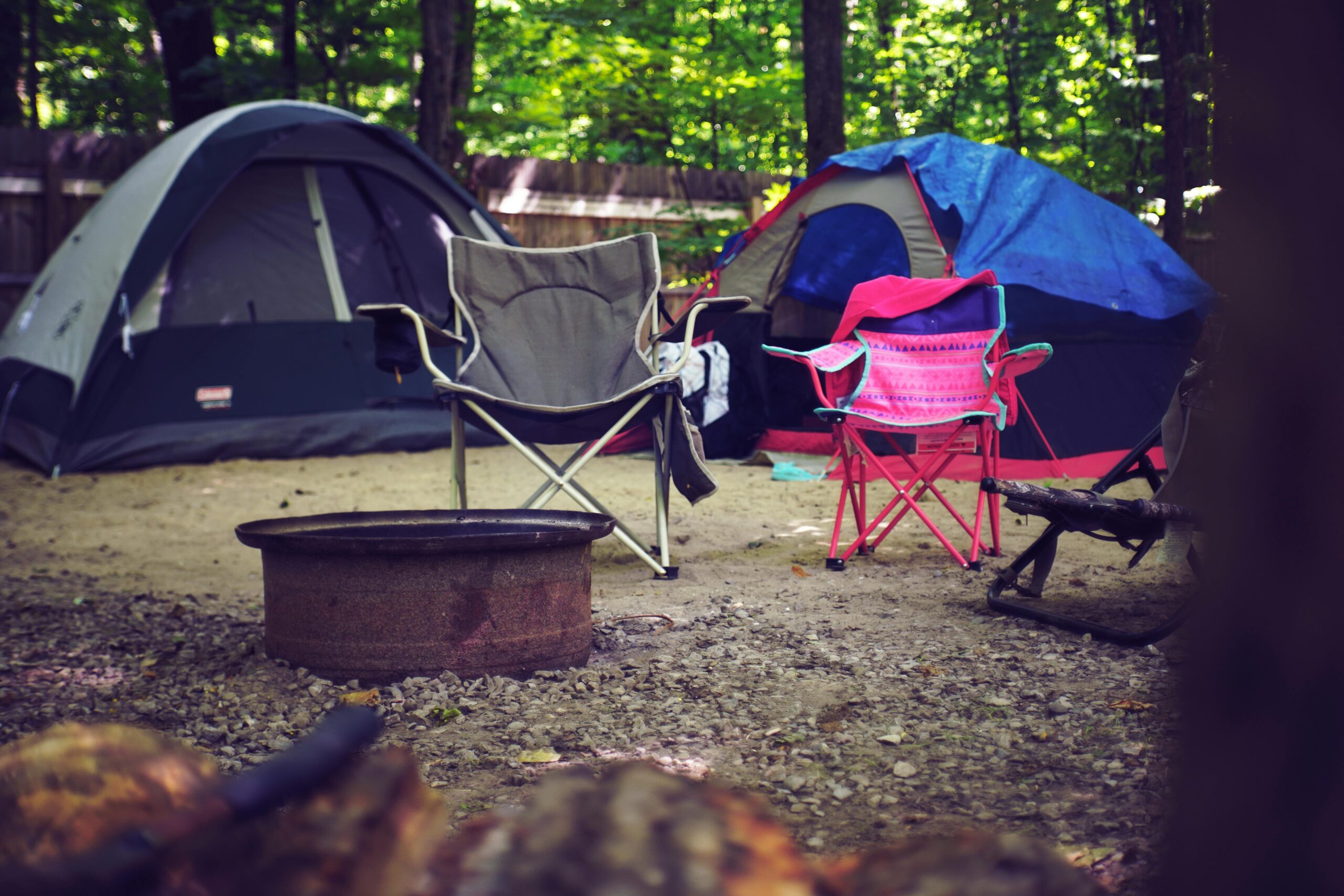
- Camping chairs or stool
- Folding table
- Hammock
- Portable power bank
- Extra tarps or shade shelters
- Bug net / screen room
Pros & Cons of Camping (Beginner’s View)
Here are the advantages vs the challenges of camping, especially when you’re just starting out:
Pros:
- Peace & solitude
- Closer to nature, great scenery
- Affordable compared to many vacations once gear is purchased
- Bonding time with friends or family
- Physical exercise, fresh air, mental reset
Cons:
- Weather can be unpredictable (cold nights, rain)
- Bugs, critters, discomforts (hard ground, dew, wind)
- Having to haul gear, setup/teardown fatigue
- Sometimes less clean / less comfortable than being in a hotel
- Learning curve: cooking outside; staying dry and warm; packing smart
Products to Consider
Here are a few Amazon.ca items that are popular or highly useful for beginners. Always check the most recent price, availability, and reviews.
- LifeStraw Personal Water Filter – great fallback for treating water when you’re unsure of source cleanliness. (Amazon)
- LHKNL Headlamp Flashlight (2‑Pack) – having hands‑free light is huge around dusk or dawn. (Amazon)
- Ben’s 30% DEET Mosquito, Tick and Insect Repellent – bugs are real; good insect repellent will save you a lot of misery. (Amazon)
- Coleman Skydome Camping Tent – a reliable, budget‑friendly tent to start with. (Amazon)
- Frontiersman Bear Horn – help family members sleep at peace by taking preventive measures.(Amazon)
Pros of Using These Products:
- Trusted brands / good reviews
- Often good value for the features
- Readily available in Canada (Amazon.ca) so shipping/time‑zones easier
Cons:
- Sometimes lightweight/inexpensive gear falls short in severe weather
- Some items are cheaper versions and may sacrifice durability or features
- Weight and size: even “beginner” gear can be bulky, so transport matters
Personal Story: My First Camping Trip (What I Did Wrong & What Went Right)
When I went camping for the first time, I overpacked food, underpacked warmth, and picked a site too exposed to wind. The rain came in at night, the wind howled, my gear rattled, and I didn’t sleep well.
Here’s how I improved:
- I now always check wind direction when picking a site.
- I got a better sleeping pad and a 3‑season bag, which kept me warm even when temperature dropped.
- I practice packing in advance, which helps me bring only what I need and keep load manageable.
These small changes transformed camping from “cold, awkward, sore back” to “cozy, quiet, joyful.”
Tips for Your First Night
- Pick a campsite with amenities (running water / bathrooms) if possible
- Arrive with enough daylight to set up before dark
- Don’t skip a tarp or groundsheet under your tent — protects bottom and keeps moisture out
- Bring some “comfort food” & hot drink — even instant soups help morale
Final Checklist Before You Leave Home
- Tent, stakes, rainfly
- Sleeping bag + pad + pillow
- Lighting + spare batteries
- Food + stove or cooking system + utensils
- Water + water treatment or filter
- Clothes (layering) + rain gear
- First aid + insect protection + sun protection
- Knife/multi-tool, map/GPS, phone charger or portable power
Conclusion
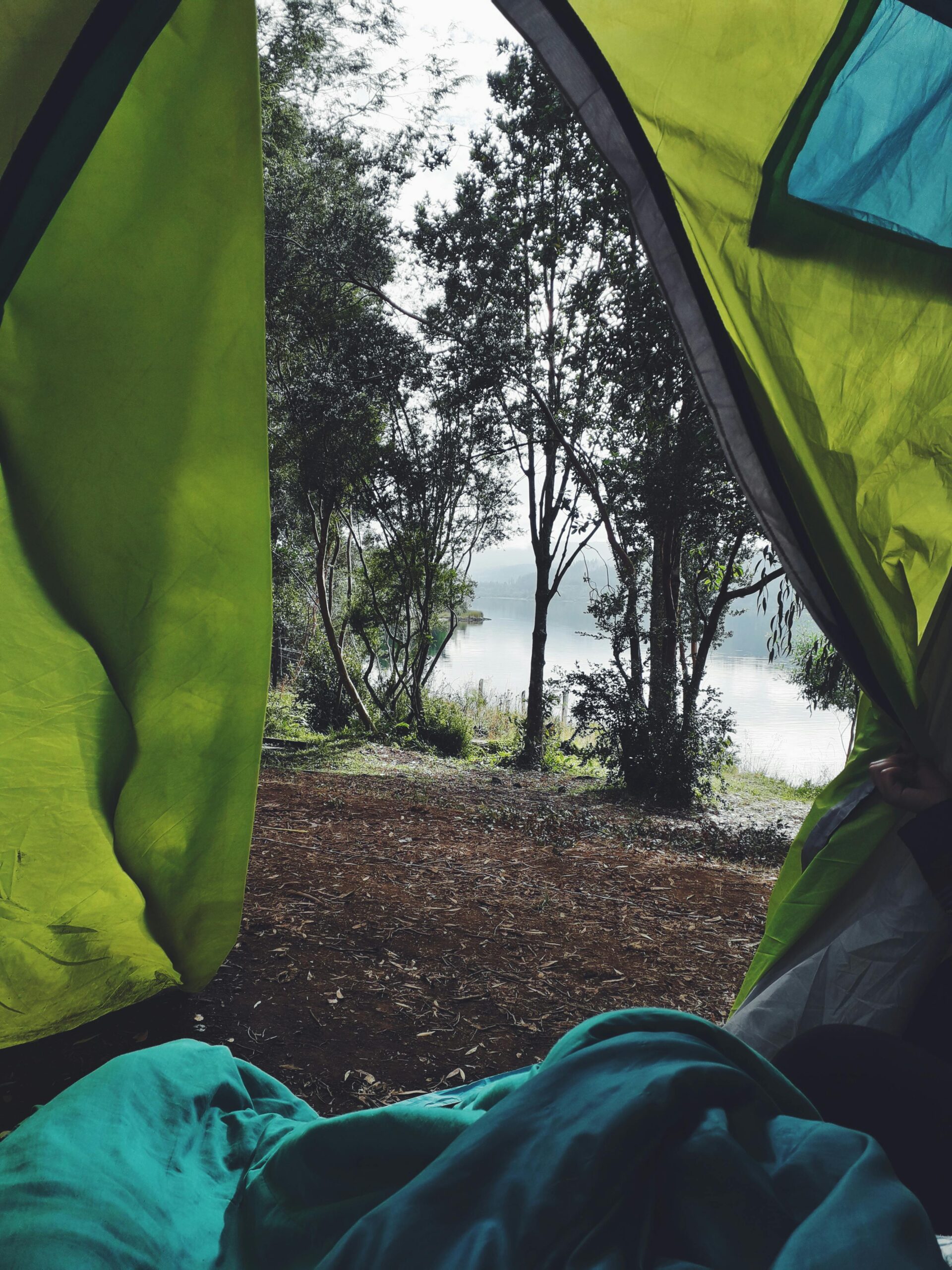
Camping for beginners is a journey — not everything will be perfect the first time, but the joy of waking to birdsong, the smell of pine, the crackle of a campfire: those are memories you’ll want to keep making. With good planning, the right gear, and realistic expectations, your first trip can be less about “surviving outdoors” and more about “loving the outdoors.”
Happy trails and safe camping!
— Your Outdoor Friend