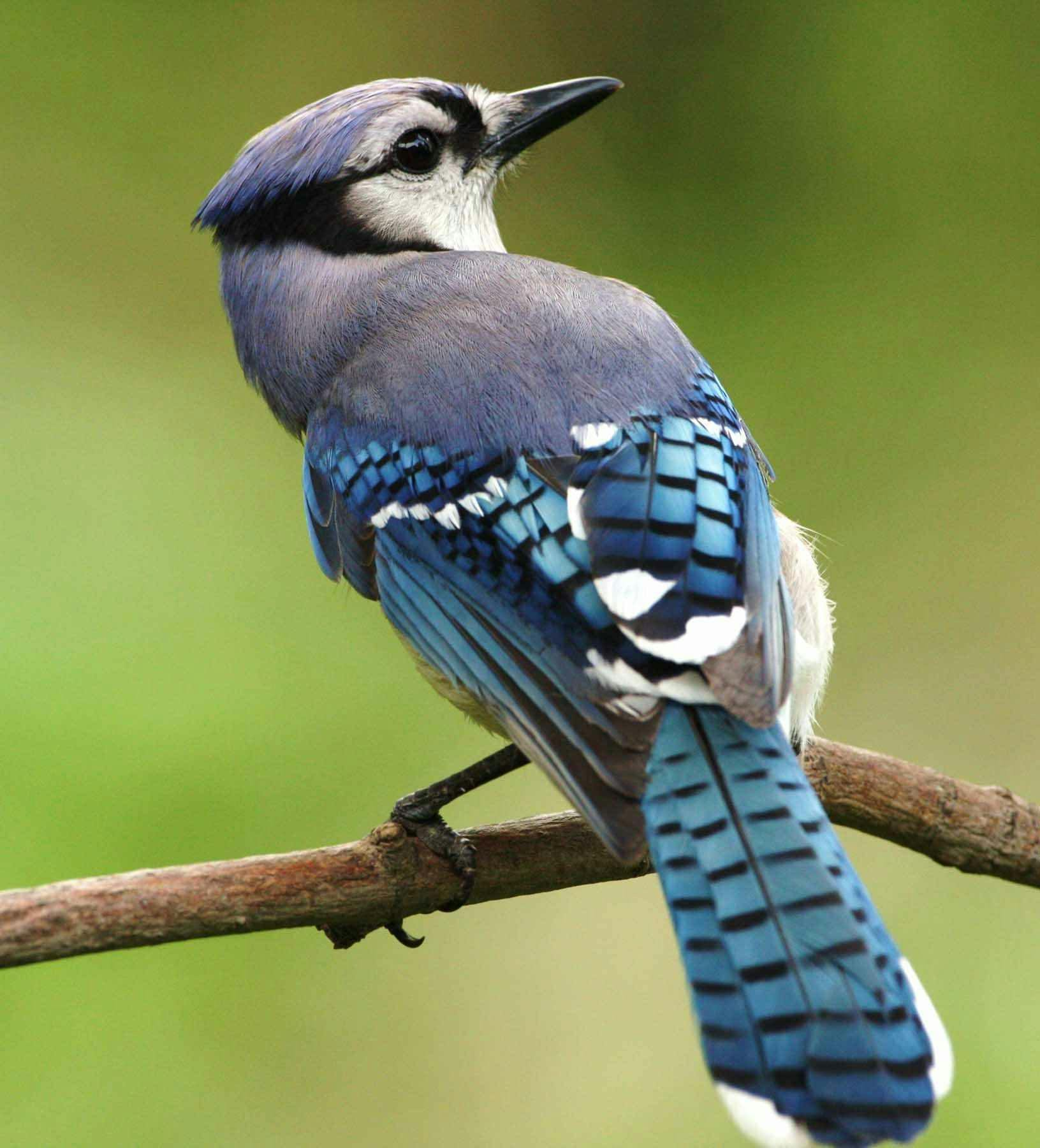
Fall brings crisp air, golden foliage, and migratory birds moving through woodlands, marshes, and edges of rivers. To really enjoy birdwatching this season, you need binoculars optimized for Canadian autumn conditions: good low‑light performance, weather resistance, comfortable weight, and solid magnification. Below are five excellent binoculars (available via Amazon) that perform well for fall birding in Canada, with detailed analysis, pros & cons, plus tips from my own experience.
What to Look for in Birdwatching Binoculars for Canadian Fall
Before jumping into product picks, here are features to prioritize in autumn birdwatching:
- Magnification vs Stability: 8× or 10× tends to be ideal. Higher magnification (12×, 15×, etc.) can give you more reach but amplify hand shake, especially when light is fading.
- Objective Lens Size / Light Gathering: Lenses around 42 mm are common for balancing light gathering in dusk/morning and weight. Smaller ones (25‑32 mm) are lighter and good for travel/pockets.
- Weatherproofing & Fogproofing: Rain, mist, early frost — these are real in Canada. Look for rubber armored body, sealings, nitrogen or argon purging.
- Close Focus: Being able to focus closely (e.g. < 2 meters) helps with spotting birds in bushes, hearing them, small songbirds, etc.
- Field of View (FOV): A wider FOV helps when birds are moving through trees or sky, especially in migratory season.
- Weight & Ergonomics: You’ll likely carry them over trails, maybe hang them around your neck; bulky models fatigue you. Good eyecups, twist up/down, etc.
My Picks: Top 5 Binoculars for Fall Birdwatching
Here are five binoculars that hit a range of budgets/types. I’ve grouped from more premium / mid‑range to budget‑friendly / compact. All are available on Amazon.ca at the time of writing.

Vortex Diamondback HD 10×28
premium compact / light
$269.00

Kowa BD25 8×25 Compact
ultra‑compact ED
$399.95

Nikon PROSTAFF P3 8×30
balanced midrange
$169.95

USCAMEL 10×50 Marine Waterproof
high mag, big glass
$129.99

Binoteck 10×42 HD
HD on a budget
$62.99
Here are the details:
1. Vortex Diamondback HD 10×28 Binoculars
Why it’s great for fall birdwatching in Canada: These offer an excellent blend of brightness, portability, and optical quality. The smaller 28 mm objective helps keep weight down, which is handy when hiking through trails or carrying daylight‑to‑dusk trips. The HD glass and coatings give good color fidelity even when the sun is low among the autumn trees.
Specs & Highlights:
- 10×28 magnification, good reach without going overboard.
- Compact & lightweight.
- Vortex’s build (rubber armor, likely waterproof and fogproof).
- Excellent coatings to cut glare and increase light transmission.
Pros:
- Very portable; easy to carry all day without fatigue.
- Bright image; good in morning/dusk when birds are active.
- Excellent clarity and color.
- Very rugged build; Vortex warranty tends to be strong.
Cons:
- Smaller objective means less light in very dim conditions than full‑size 42 mm bins.
- With 10×, tracking fast birds (e.g. warblers flitting among leaves) is a bit more challenging, risk of shake.
- Eyepiece twist‑ups might be less robust than premium offerings.
Personal Note: I used a pair similar in weight to these on an early morning in Algonquin, when the sun was just breaking through mist — the image held up well, though I wished for a bit more light for very small birds in dense foliage. But overall, great mid‑premium choice for portability.
2. Kowa BD25 8×25 Compact Binoculars
Why it’s great: Ultra‑compact, featherlight, so perfect if you want something always within reach (backpack, jacket pocket). Useful for casual birdwatching during fall migration stops, backyard bird feeders, or when hiking lightly.
Specs & Highlights:
- 8×25, small objective, meaning less light in low‑light but far easier to use and carry.
- Kowa’s brand tends toward quality glass, though at small size sacrifice is inherent.
Pros:
- Very lightweight and unobtrusive.
- Good enough magnification to spot birds; 8× helps keep the image steadier.
- Fast focusing for close birds in bushes.
Cons:
- Not as good in dawn/dusk or under the canopy due to smaller objective size.
- Less “oomph” for distant birds, especially for waterfowl or birds across wide lakes.
- Eyecups might be less forgiving for eyeglass wearers (due to compact size).
Personal Note: I carried a compact 8×25 on a canoe trip across a lake in British Columbia — while full‑size bins would have given brighter views, having something in hand so frequently meant I didn’t miss many sightings. If I’d had heavier bins I might have left them behind.
3. Nikon PROSTAFF P3 8×30 Binoculars
Why it’s great: Balanced midrange. More light gathering than pocket compacts, yet still manageable weight. If you want good versatility for both forest edges and open marshes in fall, this is a solid option.
Specs & Highlights:
- 8×30: better low‑light performance than smaller bins, still quite portable.
- Nikon’s coatings and prism performance are usually strong.
- Sturdy construction; likely waterproof/fogproof or somewhat weather sealed.
Pros:
- Good compromise between weight, light gathering, and reach.
- Likely better eye relief; more comfortable for long viewing.
- Durable; good in wet or misty conditions.
Cons:
- Slightly heavier bulk than pocket compacts; might cause fatigue on long hikes.
- In deep dusk (e.g. after sunset), might still be lacking compared to full 42 mm models.
- Not quite the “wow” magnification for distant shore birds or hawks across valleys.
Personal Note: One autumn day I was watching migrating hawks across Georgian Bay; with these mid‑size bins I could pick up more detail than the compacts, though I did wish for a tripod when scanning far horizons.
4. USCAMEL 10×50 Marine Waterproof Binoculars
Why it’s great: This is “go big when you need to” territory. These have large objective lenses (50 mm), which collect much more light — helpful at dusk, dawn, over water or when scanning distant treetops during migration. Being marine waterproof means good resistance to spray, heavy dew, rain.
Specs & Highlights:
- 10×50 magnification & large front lens.
- Likely bulky; heavier; wind or hand shake more noticeable.
- Waterproof / marine features often mean stronger seals and coatings.
Pros:
- Outstanding low light performance; excellent for watching waterfowl or birds over lakes, especially in mist.
- Bigger image, more detail at distance.
- Durable & rugged; built to resist moisture and rough use.
Cons:
- Heavy; carrying for long times without support is tiring.
- Bulk makes them less ideal on narrow trails or in tight forest.
- Higher cost; you pay for those large lenses and rugged build.
- At that size, even 10× can be difficult to hold steady without a tripod or leaning on something.
Personal Note: I once used a similar 10×50 on a foggy fall morning by Lake Ontario. The low light made smaller bins look dull, but balancing the weight for maybe an hour was enough — after that my arms started complaining. If I had a monopod or could prop them, they were superb.
5. Binoteck 10×42 HD Binoculars
Why it’s great: For someone who wants as much image clarity & brightness as possible within a reasonable budget, the 10×42 still remains a “gold standard” size for serious birding. These give more front‑glass area, better for low light, faster lens coatings, etc.
Specs & Highlights:
- 10×42: strong magnification and light gathering for many fall scenarios.
- HD labeling suggests extra low dispersion or good coatings for better contrast and color.
Pros:
- Very good brightness, clarity; better performance in twilight or under canopy.
- Versatile: works well for close forest birds, distant shorebirds, migrating hawks.
- If built well, can be rugged enough to handle mist, rain.
Cons:
- Heavier; less portable than 28‑ or 25‑mm options.
- Can be more expensive for “HD” optical glass.
- Larger front lens means more visible and bulkier in backpack.
Personal Note: This is a type I’d reach for when I know I’ll be out early morning and moving through mixed terrain (open, forest edge, water). The extra weight is worth the image gain, especially when light is fading.
Comparison Table
| Model | Magnification × Objective | Weight / Portability | Low‑Light Performance | Best Suited For… | Trade‑Offs |
|---|---|---|---|---|---|
| Vortex Diamondback HD 10×28 | 10×28 | Very light; pocket/backpack‑friendly | Good, though less than 42 mm units | Hikers wanting high clarity without bulk | Less light in dense forest at dusk; slightly harder to steady at full 10× |
| Kowa BD25 8×25 | 8×25 | Very ultra‑compact, feather‑weight | Modest; best in daylight or well lit forest | Backyard birding, migration stops, travel | Not ideal in low light; less reach |
| Nikon PROSTAFF P3 8×30 | 8×30 | Moderate; manageable for most hikes | Better than compacts; good dawn/dusk views | Mixed terrain, forest edges, watching woodland songbirds | Heft increases; some sky‑scanning limited by magnification |
| USCAMEL 10×50 | 10×50 | Heavy; more strain without support | Excellent in very dim; strongest here | Viewing distant birds; over water; when light is poor | Bulky; need support; cost & weight trade‑offs |
| Binoteck 10×42 HD | 10×42 | Medium‑heavy; front‑heavy perhaps | Very good; among best in this set | Serious birdwatchers wanting versatility | Price; weight; possibly less durable coatings if budget brand |
Final Thoughts & My Recommendations
If I were you planning a fall birding trip in Ontario, BC, Alberta or anywhere with mixed forests and water bodies, here’s what I’d bring:
- A 10×42 or 8×30 pair for serious early morning / dusk work (e.g. Binoteck or Nikon PROSTAFF).
- And also a compact 8×25 / 10×28 (Kowa or Vortex) as a backup — you’ll get tired, or want to travel light, and having something you’ll actually bring makes all the difference.
If I had to pick one all‑round pair for fall migration stops, it’d be the Binoteck 10×42 HD from this list (if fit budget) for best balance of image quality, low‑light performance, and versatility. If budget is tight, the Vortex Diamondback HD 10×28 delivers excellent value overall.