
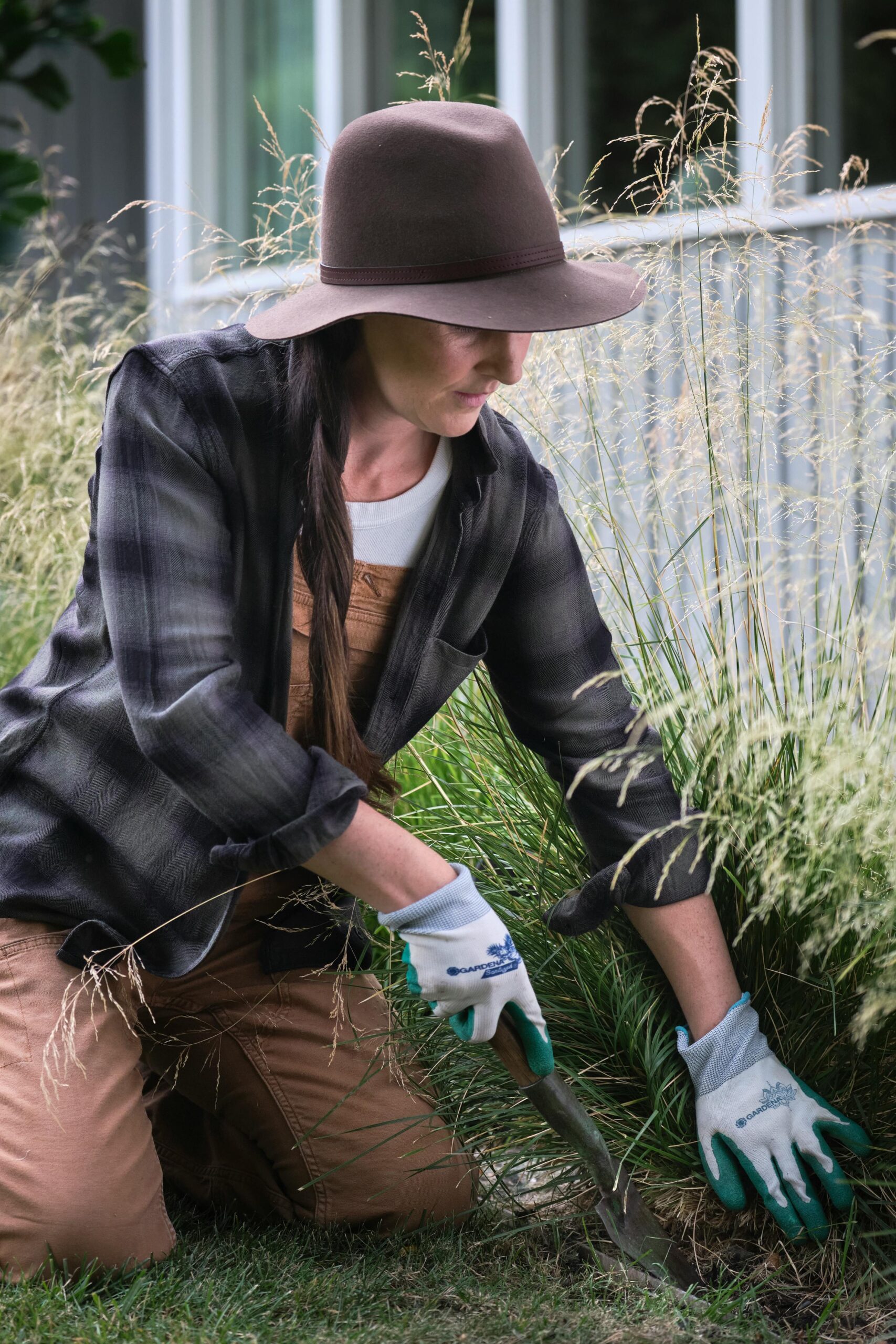
Autumn in Canada brings cooler temperatures, shorter days, and the first frosts. It’s the perfect time to get your garden “fall‑harvest ready” so that your plants, soil, and garden beds survive winter well and bounce back in spring stronger. This post will cover step‑by‑step tips + top tools you’ll want (with Amazon links) + what I’ve learned from prepping my own garden.
What to Do in Fall to Prepare Your Garden (Canada Edition)
Based on gardening experts and Canadian climate considerations, here are tasks you shouldn’t skip:
- Clean up dead or diseased foliage and plants
Remove annuals and vegetable plants that are finished, especially if there’s disease. Compost only healthy plant matter; toss diseased leaves to avoid overwintering pests. (Nature Conservancy Canada) - Divide perennials
If perennials are overcrowded, divide them before the heavy frosts to allow root establishment. Fall is a good time for planting perennials as well. (The Weather Network) - Test soil and amend as needed
Check soil pH and nutrient levels. Add compost, aged manure or other organic matter. If soil is acidic, maybe add lime; if alkaline, sulfur. Incorporate slow‑release amendments in fall so they can settle in. (Garden Centres Canada) - Mulch garden beds
Mulching helps retain moisture, insulate roots, reduce fluctuations in temperature, prevent erosion, suppress weeds. Use shredded leaves, bark chips, straw. Wait until after a few light frosts maybe, but before hard freeze. Keep mulch a few inches from plant stems. (Better Homes & Gardens) - Plant bulbs & fall crops
Many areas in Canada are excellent for planting spring bulbs in the fall (daffodils, crocus, etc.). Also, fall/winter hardy vegetables like kale, spinach, root crops can go in. (The Weather Network) - Protect tender plants and evergreens
Watering evergreens well going into winter helps. Use burlap wraps or wind screens for fragile shrubs. Move container plants indoors or to sheltered spots. (Nature Conservancy Canada) - Organize tools and clean up
Sharpen pruners, clean soil off tools, store or protect hoses, drip lines etc. A tidy garden in fall lessens pests, improves airflow, and saves work in spring. (Garden Centres Canada)
Top Tools from Amazon to Help Your Fall Garden Prep
Here are several tools that are very helpful to do the above efficiently. Each listed with pros & cons, and my personal observations from using similar tools. These are all available via Amazon.ca (affiliate‑friendly style links can be inserted).

WORKPRO 7‑Pc Heavy Duty Garden Tool Set
complete set
$49.99

Fiskars Xact Precision Trowel
precision
$35.50

Nisaku Hori‑Hori Stainless Weeding Knife
weeding
$36.36

5‑in‑1 Bulb Planter / Sod Plugger Tool
bulb planting
$44.99

Garden Weasel 2‑in‑1 Rotary Cultivator / Hand Tiller
tilling
$72.48

Botanica Heavy Duty Garden Spade
digging
$41.75

AMES Ergo Gel Grip Tool Set
comfort grip
$67.03

Nisaku 5‑Tine Claw Rake & Cultivator
raking
$29.99
Here are some of the best picks:
- WORKPRO 7‑Pc Heavy Duty Garden Tool Set
What’s in it: shovel, trowel, weeder, cultivator, rake etc., stainless steel heads + wooden handles.
How it helps in fall: Great for general cleanup — digging up roots, removing weeds, turning over soil, moving mulch.
Pros: Good value, multiple tools so you don’t need separate purchases; durable metal heads.
Cons: Wooden handles need storage protection to avoid rot; might not be comfortable for heavy use all day without ergonomic handles. - Fiskars Xact Precision Trowel
Utility: Excellent for precise work: dividing small perennials, planting bulbs, removing seedlings.
Pros: Sharp, well balanced, good quality steel; comfortable grip.
Cons: Small size limits big tasks; requires care to clean to prevent rust. - Nisaku Hori‑Hori Stainless Steel Weeding Knife
Utility: Multipurpose: dig, slice roots, cut through tough soil, weeds. Great for edging and removing invasive roots.
Pros: Very versatile, durable stainless steel; ergonomic design.
Cons: Blade needs maintenance; if used on very hard soil may stress hand/wrist; safety (blade) requires caution. - 5‑in‑1 Bulb Planter / Sod Plugger Tool
Utility: For planting spring flowering bulbs; also helpful for removing small plugs of sod or loosening soil. Saves bending.
Pros: Long handle reduces bending; works well for multiple tasks.
Cons: May struggle in rocky or clay heavy soil; not precise for very small bulbs; needs leverage (might need extra strength). - Garden Weasel 2‑in‑1 Rotary Cultivator / Hand Tiller
Utility: Breaking up soil, loosening topsoil, mixing compost or soil amendments.
Pros: Saves time vs hand‑fork; good reach; more efficient in rows.
Cons: Not ideal close to plants (risk root damage if used carelessly); if soil is wet/clay can clog; some arm fatigue. - Botanica Heavy Duty Garden Spade
Utility: For turning soil, edging, transplanting larger perennials, cutting through sod.
Pros: Strong build; long handle means less bending; great leverage.
Cons: Heavier; storage takes space; needs good quality steel or it may rust/corrode over time. - AMES Ergo Gel Grip Tool Set
Utility: Tools with comfort grips are useful when working long hours in cooler/frosty weather. Useful for cleanup, dividing, mulching.
Pros: Ergonomic handles reduce strain; gel grips help when your hands are cold or damp; usually durable.
Cons: Grip material may degrade if left in wet; sometimes not as “premium” metal as pro tools; price higher than no‑frills sets. - Nisaku 5‑Tine Claw Rake & Cultivator
Utility: Great for mulching, leaf removal, aerating soil surface, breaking up mulch.
Pros: Dual use (rake + cultivator); stainless steel prongs resist rust; comfortable to use.
Cons: Rake width may be restrictive in tight spaces; long handles need storage; may bend if prongs hit roots or hard debris.
My Fall Garden Prep Routine & Lessons Learned
Here are things I do in my Ontario garden each fall, to illustrate how these tools & tips come together, plus what has worked/not worked.
- In early October I begin by removing dead tomato plants etc., using pruners first, then hoe/weeder tools to get roots. I learned: leaving diseased root material /foliage invites fungal problems next year.
- Soil testing: I had soil tested every few years—noticed pH drifted acidic (especially after planting many blueberries etc.). Adding lime in the fall gave time for it to buffer before next spring.
- Mulching: I use shredded leaves + compost mixture to mulch around perennials and trees. One year I mulched too early and a warm spell led to fungal issues under mulch; now I wait for cooler, stable temps but before hard freeze.
- Bulbs: Planting spring bulbs (daffodil, narcissus) in October; using bulb planter makes planting evenly at right depth much easier and faster.
- Tool care: After my garden bed cleanup I clean all tools, sharpen blades (pruners, weeding knives), oil metal parts and store handles off ground or inside to avoid moisture rot. Tools with comfort grips have saved my hands especially when gloves are damp.
Pros & Cons Summary for Fall Garden Prep
| Benefit | Challenge / Risk |
|---|---|
| Healthier soil; plants better able to overwinter | Risk of doing too much too early (pruning/leaves); could damage new growth or expose roots |
| Fewer pests & disease carryover | Mulch too thick or applied bad timing can trap moisture, encourage rot |
| Early planting (bulbs, perennials) gives head start in spring | Soil too wet / frozen could hamper planting; tool misuse can damage plant roots |
| More efficient spring workload | Working in fall requires extra effort when other tasks are demanding (short days, cooler weather) |
Fall Garden Prep FAQ – Your Questions Answered
1. When should I start preparing my garden for fall in Canada?
A: In most regions of Canada, early to mid-September is a good time to start. Aim to finish major tasks like mulching, bulb planting, and soil amendment before the first hard frost, typically late October in Zones 5–6 (e.g., Ontario, Quebec). In warmer areas like coastal B.C., you can stretch into November.
2. Is it too late to mulch my garden in October or November?
A: It’s not too late as long as the ground hasn’t frozen. Mulch protects root systems from freeze–thaw cycles. Ideally, mulch after the first frost but before a deep freeze, so pests aren’t trapped and roots stay insulated.
3. What are the best fall garden tools to buy on Amazon.ca?
A: Essential tools include:
- Hori-Hori knife – for weeding, dividing roots
- Heavy-duty garden spade – for soil work and perennial division
- Bulb planter – for fast, consistent depth when planting bulbs
- Hand tiller / rotary cultivator – to mix compost or break soil
4. Should I fertilize my garden in the fall?
A: Yes—but only with the right type. Avoid nitrogen-rich synthetic fertilizers in fall (can cause new growth that gets frost-damaged). Instead, use organic matter like compost, aged manure, or bone meal to improve soil structure and prep it for spring planting.
5. Can I plant anything in fall in Canada?
A: Absolutely. Fall is ideal for planting:
- Spring-flowering bulbs (e.g., tulips, daffodils, crocus)
- Hardy perennials (hostas, daylilies, peonies)
- Cold-tolerant vegetables (e.g., garlic, spinach, kale in milder zones)
6. How do I protect perennials from Canadian winters?
A: Key steps:
- Add 2–3 inches of mulch to insulate roots
- Cut back dead foliage but leave stalks of certain plants (like ornamental grasses or echinacea) for wildlife
- Avoid pruning too early—some plants benefit from leaving foliage to protect the crown
7. Do I need to remove all leaves from my garden beds in fall?
A: Not necessarily. Leaves can act as natural mulch, but:
- Shred them first to avoid matting and mold
- Don’t leave diseased leaves—they can carry pests and fungi
- Avoid smothering perennials
8. What soil amendments should I add in fall?
A: Great options include:
- Compost or aged manure – boosts microbial activity over winter
- Lime – raises pH in acidic soils
- Bone meal / rock phosphate – encourages strong root growth
9. How do I store garden tools over the winter?
- Clean off soil and sap
- Sharpen blades and oil metal parts to prevent rust
- Store indoors or in a dry shed to protect wood handles from cracking
10. Should I water my garden before winter?
A: Yes—especially for evergreens and new plantings. A deep watering before the ground freezes helps roots absorb moisture and resist winter burn.
Final Thoughts
If I had to pick 3 must‑have tools from the list for fall garden prep, I’d go with:
- A solid weeding / hori‑hori knife (e.g. Nisaku) — because removing weeds and diseased roots is critical.
- A bulb planter / sod plugger — makes planting bulbs fast & precise without kneeling constantly.
- A heavy‑duty garden spade — for digging, dividing perennials, moving soil or mulch.
Start your fall prep early enough (in September‑October depending on your zone), follow the soil and weather cues, and take care of tool maintenance. Your garden will not only survive winter better but also bloom more beautifully next spring.