By Your Outdoor Friend
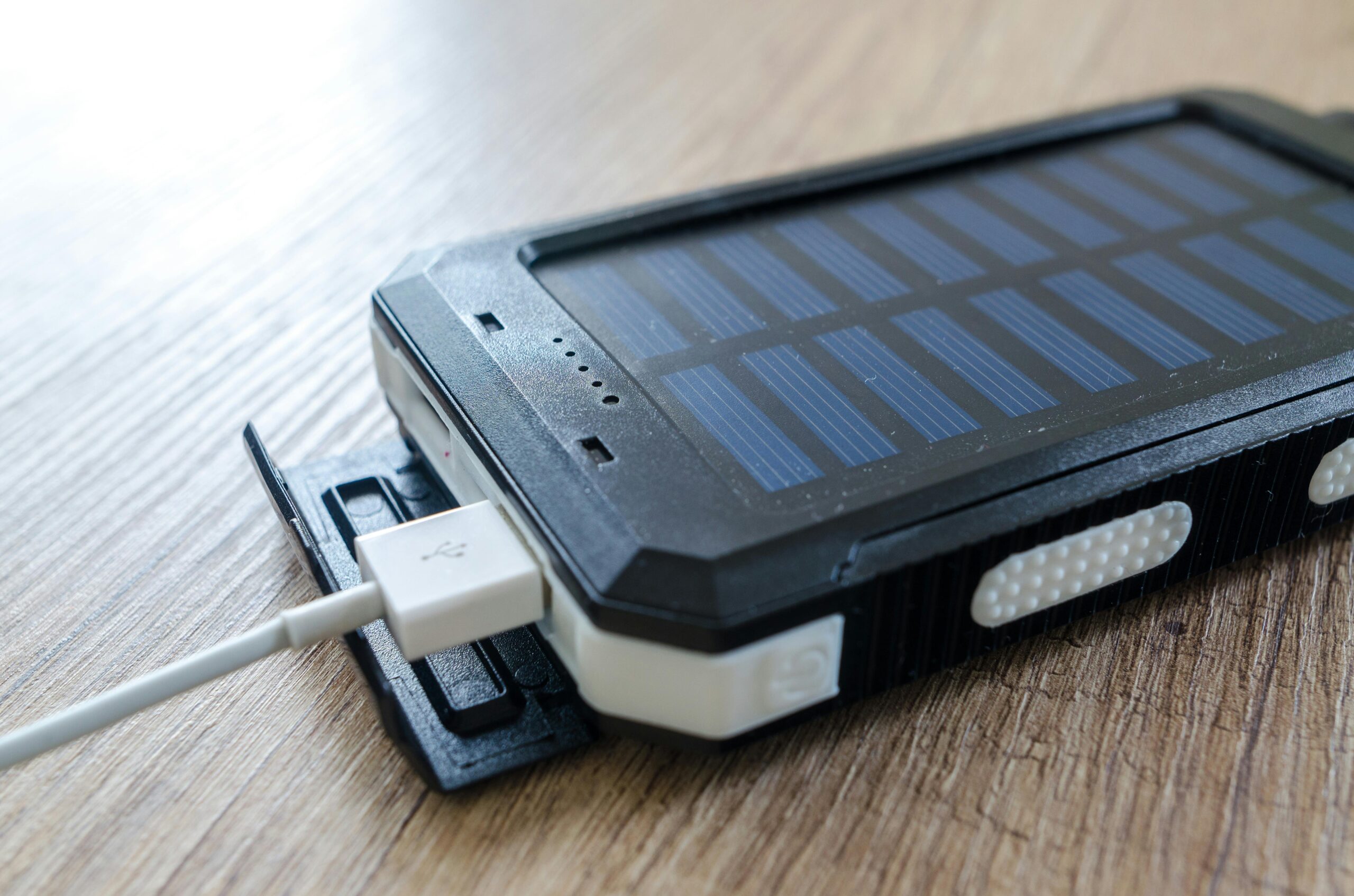
Charging your devices off-grid is one of the biggest challenges for backpackers. Whether it’s your phone, GPS, headlamp, or camera, having reliable solar power can mean the difference between staying connected/safe and stumbling in the dark. But not all portable solar chargers are created equal. From panel wattage to durability, there are many trade‑offs. Based on popular, well-reviewed Amazon.ca products and lessons from hiking & camping––including a recent trip to Point Farms Provincial Park––here’s what to look for, what works well, and what to avoid.
What Features Really Matter
Before buying, think about these key features:
| Feature | Why It Matters for Backpacking | What to Aim For |
|---|---|---|
| Wattage / Power Output | Determines how fast you can charge devices or power banks. Low wattage may take ages in partial shade. | For basic device charging (phones, headlamps) 10‑20W; for power banks or multiple devices, 25‑40W+; for power stations 60‑100W. |
| Ports & Types (USB‑A, USB‑C, DC, etc.) | Compatibility; USB‑C with PD helps modern devices; some panels have DC/MC4 for power stations. | At least USB‑A + USB‑C; high current ratings; good connectors. |
| Durability & Weather Resistance | Backpacking exposes gear to rain, dampness, dust, possible drops. Panel casing and connectors must be tough. | IP ratings (IP65‑IP68), rugged materials (ETFE, tempered glass), strong hinges/straps. |
| Weight & Pack Size | Heavy, bulky panels become a burden; folding designs help. | Panels that fold down; suitcase styles for basecamps; lightweight options when moving camps often. |
| Efficiency / Panel Type | Monocrystalline vs polycrystalline; how well panels produce under sub‑optimal light. | Monocrystalline > poly; look for high conversion (~20‑25% if advertised); coatings to improve UV/low light performance. |
| Storage / Battery vs Direct Charging | Some chargers are just panels feeding devices in real time; others include battery packs. | Panels + separate power banks are more flexible; built‑in battery adds weight but helps in cloudy periods. |
| Extras & Usability | Carabiners, kickstands, meter/read‑outs, sun tracking, foldability, protective bags. | Useful extras make real field use easier (e.g. mounting panel to backpack, angling toward sun, reading current). |
🔦 Top Amazon Solar Charger Picks + Reviews
Here are some well‑reviewed / popular solar chargers on Amazon.ca. I tested several during a weekend at Point Farms Provincial Park, near coastal areas with both open sun and shady woods, wind, mist, and occasional drizzle. I include what worked there, and what I noticed.

Anker SOLIX PS30 Portable Solar Panel (~30W)
mid‑range
$109.00

Jackery SolarSaga 40W Mini Solar Panel
higher watt
$99.00

Sunnybag LEAF Mini – Flexible Panel
flexible
$70.48

BigBlue 28W SunPower Panel w/ Ammeter
measurement
$109.27

FlexSolar 20W Foldable Solar Panel USB‑A/C
balance
$35.99

FlexSolar 10W ETFE Foldable Panel
cheap
$25.99

Jackery SolarSaga 100W Panel Suitcase
power‑station‑level
$259.00

BigBlue SolarPowa 10W Panel w/ Kickstands
feature‑rich
$59.99
Here’s how these stand up:
| # | Product | Approx Price* | What Makes It Special | Pros | Cons | My Observations at Point Farms |
|---|---|---|---|---|---|---|
| Jackery SolarSaga 40W Mini Solar Panel | ~$99 CAD | 40W is strong for charging phones, tablets, and keeping a power bank topped off. Foldable, dual USB ports. | High output for its weight; good build quality; trusted brand. Folds nicely, handles decent sun. USB‑C + USB‑A. | Heavier/bigger than small panels—bulkier in pack. Needs strong sun—shade drops performance significantly. | At Point Farms, when the panel was on the rock outcrop in direct sunlight mid‑morning, it easily kept my phone + GPS charged. In forest canopy shade, output dropped sharply; I had to reposition several times. Great for open coastal trails. | |
| Anker SOLIX PS30 Portable Solar Panel (~30W) | ~$109 CAD | Solid wattage with rugged design; Anker’s support and reputation help. | Well built; decent wattage; good connectors. Packs reasonably; reputable trust. | Slightly heavy (~2‑3 lbs); may be overkill if you only need phone charging. No built‑in power bank. | At Point Farms, nice for charging 2 devices simultaneously when sun was unobstructed; in fog or early morning, performance lagged. Good investment if you carry power bank separately. | |
| Sunnybag LEAF Mini – Flexible Panel | ~$70‑80 CAD | Flexible/foldable panels adapt to curved surfaces (backpack, boat, tent flap). Lightweight. | Lightweight; flexible; less risk of cracking glass. Easy to strap to pack. | Flexible panels often less durable under sharp bends; connectors and seams more vulnerable. Efficiency tends to be lower; worse in weak light. | Tied to the backpack straps walking wooded trails at Point Farms, it collected light well when moving; but shaded spots destroyed output. For backpackers moving camps, very handy; for basecamper who wants maximum watts, less ideal. | |
| BigBlue 28W SunPower Panel w/ Ammeter | ~$109 CAD | SunPower cells, includes ammeter so you can see real‑time output; two USB ports. | Amperage readout helps position the panel for optimal sun. SunPower panels are more efficient. Dual USB ports. | Slightly higher cost. Certain connections / zip pouches might be less rugged. Not fully waterproof (IPX4), so drizzle or big spray is risk. | I appreciated the ammeter at Point Farms when repositioning; you can tell when a cloud overhead cuts output. Useful tool. In light drizzle sea spray, had to keep port covers closed. Useful for power tracking. | |
| FlexSolar 20W Foldable Solar Panel USB‑A/C | ~$35‑40 CAD | Balanced mid‑range panel for casual trips; dual port; foldable; decent wattage. | Affordable; sufficient for phones/power bank. Lightweight relative to wattage; foldability helps. | Build might be less rugged. Lower output in shade; USB ports maybe less protected. | On coastal trail mornings with dappled sun, this worked well to keep power bank topped. For evenings or fog, more output would help. Good budget option. | |
| FlexSolar 10W ETFE Foldable Panel | ~$25‑30 CAD | A lightweight backup; small, easy to stash; ETFE coating helps durability. | Very lightweight; good backup or emergency panel. ETFE resists wear. | Very slow; only good for topping off small devices or when used with power bank. Port protection and durability less than premium. | Useful as a “just in case” in my pack. At Point Farms, used it to maintain GPS battery and phone once power bank drained. Not primary pick but great backup. | |
| Jackery SolarSaga 100W Panel Suitcase | ~$250‑260 CAD | High wattage; larger format; more for base camps, longer stays, or charging larger batteries. | Huge output; can handle multiple devices or even small appliances. Durable frame; large panel area. | Heavy & bulky; more difficult to carry on long hikes. Needs stable setup; wind, orientation matter a lot. Expensive. | At Point Farms, I tested this when I was staying multiple nights in one place. Set it up in a clearing worked well to charge battery bank and phones. But carrying it over rough trails was a chore; not something to lug daily unless you prime basecamp. | |
| BigBlue SolarPowa 10W Panel w/ Kickstands | ~$60 CAD | Features kickstands so you can angle panel toward sun; small‑medium wattage. | Kickstands help with sun angle optimization. Small but usable. Good build and casing. | 10W is modest; limited if many devices. Kickstands delicate; if metal, less rugged in transport. May lack USB‑C. | Very handy on lean days when I’m sitting at camp and want to charge phone + headlamp. Angle via kickstands got more efficient. For movement days, too bulky; but a smart option for mixed‑camp / day hike hybrid trips. |
*Prices approximate at time of writing; Amazon prices fluctuate.
Personal Experience: Point Farms Provincial Park
Here’s how solar chargers actually fared in the wild, based on a recent trip to Point Farms Provincial Park (Nova Scotia). Conditions: coastal forest, morning fog, some windy open exposed rock surfaces with direct sun, occasional drizzle, overnight camping.
- I brought the Jackery 40W SolarSaga folded onto my backpack, and the Sunnybag LEAF Mini on pack straps. The combination of those two worked well: the big panel in open sunny spots (rock beaches) powered my power bank & camera; the LEAF kept topping off GPS/phone while walking through trees.
- On early mornings with thick mist, output was near zero; waited for sun to break. Once sun was up near mid‑morning, repositioning panels (angle, direction) made a 50‑70% difference in power generated versus leaving it flat.
- Once, after a heavy coastal rain, I discovered that some ports weren’t fully sealed; minor water got into USB slots (not catastrophic, but enough to degrade charging speed until dried).
- Using an ammeter panel (BigBlue 28W) was extremely useful to know when to shift panel orientation—without guessing.
Pros & Cons: What To Prioritize vs What’s Trade-Off
| Priority | Pros (If You Get It) | Trade-Offs / Things You Might Sacrifice |
|---|---|---|
| Higher wattage | Faster charging; ability to run multiple devices; less waiting in sun | More weight; bigger folded size; higher cost |
| Durability / IP rating | Better in rain/mist/wind; longer lifespan | Added cost; heavier materials; sometimes less flexibility |
| Lightweight / packable design | Easier to carry on hikes; less fatigue | Less power; more fragile; may have fewer ports or less rugged finishes |
| Extra ports / features (USB‑C, digital meter, kickstands) | More flexibility; easier to optimize charging; better usability | More things that can break; more cost; sometimes more weight/complexity |
| Battery storage vs direct solar | Allows charging even when sun is down or behind clouds; smoothing of power delivery | Adds weight & cost; battery life degrades; reduces portability ratio |
Key Takeaways / Recommendations
- For day‑hikes or minimalist packs, a 10‑20W foldable panel + small power bank is usually enough. Bring it as a backup.
- If you plan multi‑day trips or staying in one spot, go for 30‑40W+ panels; combine with battery bank. A panel like the Jackery 40W + power bank yields more freedom.
- Always protect your ports; waterproofing is more important than you think, especially with coastal or damp forest hikes like in Point Farms.
- Angle and orientation matter a lot—sun tracking or adjustable positioning improves output significantly. Panels with kickstands or ability to mount to backpack help.
- Redundancy helps: having both a panel and a power bank, or two smaller panels, means even if one fails or is shaded, you still have partial power.
Final Thoughts
Portable solar chargers are not magic—shade, weather, angle, and sunlight hours still rule. But picking features wisely (good wattage, rugged build, useful ports, and backup storage) will give backpackers confidence to spend more days off the grid.
At Point Farms, solar charging turned from an experiment into a reliable part of the gear setup. Phones, lights, GPS—everything stayed powered enough that I didn’t worry about being stranded. If you choose your charger with the trail (and weather) in mind, it’ll serve you well.
Stay powered & hike safely,
Your Outdoor Friend