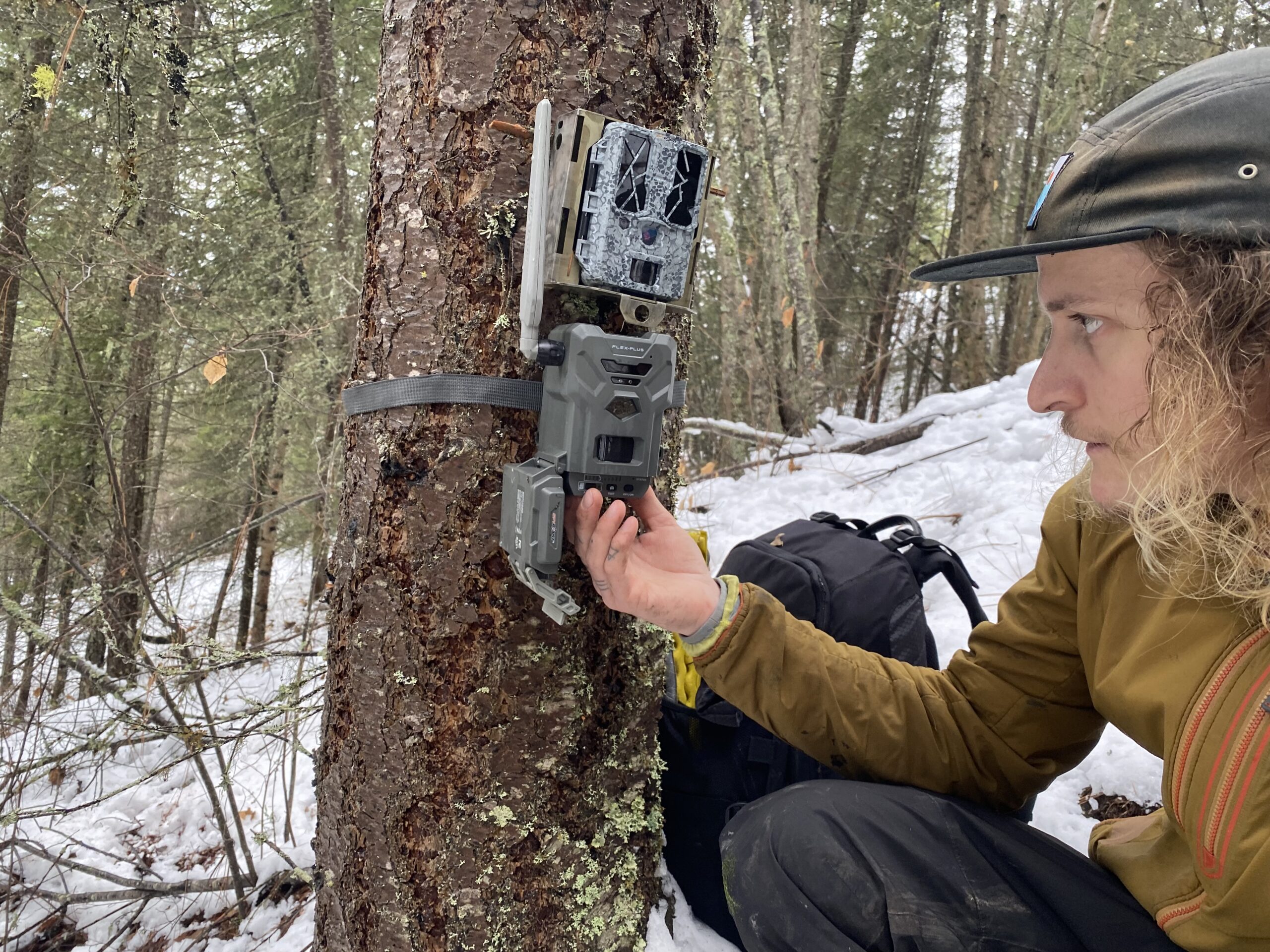
If you’re anything like me, you’ve probably caught yourself staring at your garden or camp-site in the morning wondering, “What the heck was out here last night?” I used to wake up to strange noises, tent zippers moving, mysterious tracks, half-eaten garbage, or overturned compost bins, and I needed answers.
That’s when I started diving deep into the world of trail cameras—not for hunting (though they’re great for that), but to curb my wife and my paranoia; to spy on the wildlife creeping through my campground and yard at night. Fast forward to today, and I’ve tested a ton of these cams. Some blew me away. Others? Let’s just say they’re gathering dust in a drawer (what a waste!).
If you’re looking for the best trail cameras of 2025, whether you’re tracking deer, raccoons, or just curious about the nightlife in your backyard or campground, I’ve got you covered. This is a personal, detailed breakdown of my top picks—and the real pros and cons no one tells you.

1. HuntXP X60P Live Max — Best for Real-Time Wildlife Monitoring
Overview:
If you want to see what’s happening right now without hiking out to your camera, this is the one. The HuntXP X60P Live Max is my go-to for live viewing and remote monitoring. It’s basically a wildlife security camera with stealth mode.
Why I Love It:
- 4G LTE live-streaming lets me check the camera feed from anywhere.
- No-glow infrared night vision means animals don’t get spooked.
- Lasts up to 8 months on standby, which shocked me.
I set it up near a small watering hole in my backyard, and I’ve caught everything from deer and foxes to the occasional trespassing neighbor’s cat.
Pros:
- True real-time live video (not just delayed images).
- Ridiculously easy setup via app—perfect for non-techies.
- Excellent night vision and motion detection.
- Weatherproof and reliable in all seasons.
Cons:
- Requires a monthly data plan (I paid around $10/month).
- Slight lag on the live feed occasionally, depending on cell signal.
- A bit bulky compared to smaller cams.
Best For:
Anyone who wants real-time wildlife updates without physically retrieving the SD card. Also perfect for off-grid or rural properties with cell coverage.

2. SPYPOINT FLEX G‑36 — Best Budget Cellular Trail Camera (Dual SIM)
Overview:
When I didn’t want to drop big money on a trail cam but still wanted remote photo access, I turned to the SPYPOINT FLEX G-36. For the price, it seriously punches above its weight. It picked up a family of raccoons when I was in a provincial park with my wife.
It has dual SIM support (Verizon + AT&T), which saved me when one signal was spotty. The 36MP image quality is surprisingly crisp, especially in daylight.
Pros:
- Budget-friendly for a cellular trail cam.
- Dual SIM means more reliable connection in remote areas.
- 0.3s trigger speed captures fast-moving wildlife.
- App is user-friendly and the subscription tiers are flexible.
Cons:
- Night vision quality is decent, but not amazing.
- Laggy photo delivery at times (up to a minute).
- Requires subscription for full features—basic plan is limited.
Best For:
Casual users or hunters who want cellular connectivity on a budget. Great choice for farms, rural backyards, or feeder setups.

3. Stealth Cam Revolver 360 — Best for Full Panoramic Wildlife Views
Overview:
This is the camera I didn’t know I needed until I saw what it could do. The Stealth Cam Revolver 360 has six motion sensors that rotate and stitch together 360-degree panoramic shots.
I used it in a wide-open field near my property, and the results were jaw-dropping. It’s ideal for food plots, clearings, or anywhere you want the full picture.
Pros:
- 360° coverage means no blind spots.
- App-controlled zones let you focus on certain areas.
- High-resolution panoramic photos look incredible.
- Night performance is solid, with clear low-light imagery.
Cons:
- Battery drains quickly in panoramic mode.
- Slower image processing—can be laggy when stitching.
- A bit of a learning curve with the zone settings.
Best For:
Wildlife watchers who want full-scene visibility—especially in open spaces. Not ideal for thick brush or confined areas.

4. Browning Defender Pro Scout Max HD AI — Best for Smart Wildlife Detection
Overview:
If you’re tired of sifting through 200 photos of squirrels, this is the camera for you. The Browning Pro Scout Max HD AI uses AI-powered animal recognition to filter footage and prioritize actual wildlife worth watching.
It also shoots in 46MP resolution, and the 0.25-second trigger speed makes it nearly impossible to miss anything.
Pros:
- AI filters out irrelevant animals (yes, it knows the difference between deer and raccoons!).
- Stunning image and video quality.
- Dual SIM + long-range antenna for rock-solid connection.
- Good battery life despite high performance.
Cons:
- Requires a monthly subscription after the trial.
- AI occasionally mislabels animals (mistook a large dog for a bear).
- More expensive than others, but the smart features justify it.
Best For:
Anyone who wants smarter trail camera footage—especially helpful for hunters or researchers tracking specific species.

5. Meidase P60 Trail Camera — Best Non-Cellular Budget Option
Overview:
The Meidase P60 has been my “set it and forget it” camera. No cellular features here, but if you’re cool with checking the SD card manually, it’s one of the most durable and reliable cams I’ve tested.
I use it in more remote spots where I don’t want to risk a pricier cam, and it’s never let me down.
Pros:
- Fast 0.1s trigger speed—rare for this price.
- 32MP photos and 1080p video are sharp and vibrant.
- IP66-rated weatherproof housing—rain, snow, no problem.
- Uses H.264 video compression, which saves tons of space.
Cons:
- No live view or cellular connection.
- Night shots are decent but not as crisp as premium models.
- Settings menu is a little clunky—read the manual!
Best For:
Budget-conscious users or anyone looking for a non-cellular, high-performance trail cam. Great backup cam or for areas without cell service.
Trail Camera Comparison Table (2025)
| Best For | Model | Key Features |
|---|---|---|
| Real-time live view | HuntXP X60P Live Max | 4G LTE, long battery life, no-glow IR |
| Budget + cellular combo | SPYPOINT FLEX G‑36 | Dual SIM, 36MP, fast trigger |
| Panoramic wildlife views | Stealth Cam Revolver 360 | 360° view, six sensors, app zone control |
| Smart animal detection | Browning Defender Max HD AI | AI filtering, 46MP, blazing-fast response |
| Affordable non-cellular | Meidase P60 | 0.1s trigger, tough build, long detection range |
Summary: Which Trail Camera Should You Choose?
Choosing the best trail camera in 2025 really depends on how you plan to use it.
- Want live access and instant updates? Go with the HuntXP X60P Live Max.
- Need cellular without the premium price? The SPYPOINT FLEX G‑36 is a great all-arounder.
- Love big, beautiful, panoramic views? The Stealth Cam Revolver 360 is your new best friend.
- Hate sorting through useless footage? Let the Browning Pro Scout Max HD AI do the filtering.
- Just want a tough, fast, offline camera? The Meidase P60 gets it done.
As someone who’s tested all of these personally, I can say—trail cameras have come a long way. Whether you’re a hunter, wildlife photographer, a paranoid camper, or just a curious backyard naturalist like me, there’s a perfect cam out there for you.