Let’s get real: picking hiking boots is like choosing a soulmate for your feet. Get it wrong, and you’ll be nursing blisters, heel burns, and regrets the size of your backpack. Get it right? You’ll be striding up mountain paths thinking, “Why didn’t I do this sooner?”
Your Outdoor Friend breaks down everything: fit, materials, terrain match-ups — with real product picks hikers swear by.
1. Know Your Terrain (It’s the Map Before the Boots)
Different trails = different boots. Think of it as Tinder for your toes.
Easy Day Hikes & Groomed Trails
You want lightweight, breathable shoes that feel close to sneakers but with better traction.

REI Co-op Flash Hiking Boots
- Pros: Super light, supportive for moderate trails, breathable mesh
- Cons: Not ideal for rocky or wet terrain
- Great for: Day hikes, desert trails, warm weather

Merrell Moab 3 (Low or Mid)
- Pros: Budget-friendly, well-cushioned, wide sizes available
- Cons: Some say the outsole wears down quickly
- Great for: Beginners or weekend hikers who want comfort over tech
Rugged Terrain & Rocky Trails
You need tougher soles, ankle support, and materials that won’t scream when scraped against boulders.

Salomon X Ultra 4 Mid GTX
- Pros: Waterproof Gore-Tex, killer grip, super stable
- Cons: Narrow fit for wider feet
- Great for: Slippery, rocky trails with elevation

La Sportiva Nucleo High II GTX
- Pros: Breathable and waterproof, excellent support
- Cons: Steeper price
- Great for: Mountain hikes, muddy or alpine terrain
Backpacking with Heavy Loads
You need boots that stabilize ankles, handle weight, and survive weeklong abuse.

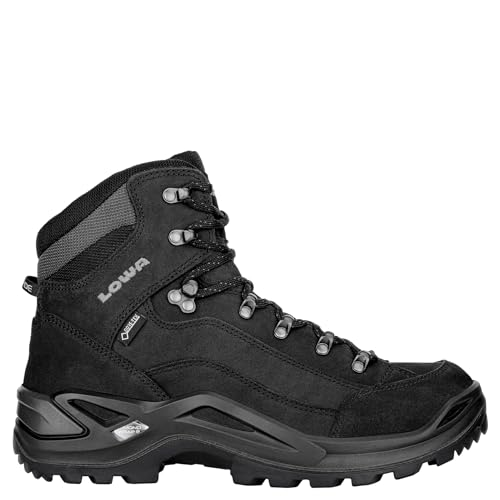
Lowa Renegade GTX Mid
- Pros: Durable leather upper, excellent ankle support, waterproof
- Cons: Slightly heavy and needs a break-in
- Great for: Multi-day treks, people with past ankle injuries

Zamberlan Vioz GTX
- Pros: Heavy-duty leather, bombproof construction
- Cons: Heavy and pricey
- Great for: Hardcore backpacking, rocky ascents, wet trails
2. Fit Over Everything (No, Seriously)
A $300 boot means nothing if your toes go numb. Here’s what to focus on:
- Shop in the afternoon
- Wear your hiking socks
- Leave a thumb-width of toe room
- Heel should not slip
- Boot should feel “locked in,” not tight
“If your heel lifts even slightly, you’ll get blisters by mile three. Ask me how I know…” – Reddit hiker confession
3. Material Breakdown: Leather vs. Synthetic vs. Hybrid
Full Leather
- Pros: Extremely durable, water-resistant, molds to your feet
- Cons: Heavy, less breathable, longer break-in

Example:
Asolo TPS 520 GV Evo
- Best for backpackers and long hauls
Synthetic
- Pros: Lightweight, dries fast, often cheaper
- Cons: Wears out faster

Example:
HOKA Anacapa Mid GTX
- Cushiony feel, trail-runner comfort in a hiker build
Hybrid (Best of Both Worlds)
- Pros: Mix of durability and breathability
- Cons: Still a compromise

Example:
Oboz Bridger Mid Waterproof
- Sturdy leather & breathable mesh combo; great all-rounder
4. Waterproof or Breathable?
Go Waterproof If:
- You hike in rain, snow, or mud
- You’re doing river crossings or alpine hikes
Go Breathable If:
- You hike in hot, dry climates
- Sweat is your nemesis

Your Outdoor Friend’s Pick:
KEEN Targhee III Waterproof Mid
- Waterproof + roomy toe box = happy feet
5. What About Insoles?
Stock insoles are… meh. Upgrade to something with arch support if:
- You have flat feet or high arches
- You’re prone to foot fatigue
Go-To Insole Brands:
- Superfeet
- Sole Active
- Powerstep Pinnacle
6. Breaking In = Blister Insurance
Don’t take your brand-new boots on a 12-mile hike unless you’re a masochist.
Pro break-in routine:
- Wear them indoors with hiking socks
- Take them on dog walks or short hikes
- Gradually increase distance and pack weight
7. Real Hiker Stories (Because Reviews > Marketing)
“I wore my Lowa Renegades for 8 days in the Rockies—no blisters, dry feet, and they still look new.”
“Merrell Moabs are my go-to. I’ve replaced them twice—they’re like hiking slippers.”
“The Zamberlans are tanks. Broke them in over 3 months, but now I’d trust them to hike through Mordor.”
Summary: Which Hiking Boots Are Right for You?
| Type of Hiker | Recommended Boots | Why You’ll Love Them |
|---|---|---|
| Beginner Day Hiker | Merrell Moab 3, REI Flash | Affordable, comfy, no learning curve |
| Weekend Warrior | Oboz Bridger Mid, Salomon X Ultra 4 | Supportive, reliable, not overkill |
| Heavy Backpacker | Lowa Renegade GTX, Zamberlan Vioz | Ankle support, tough for long-haul hikes |
| Trail Runner Crossover | HOKA Anacapa, Altra Lone Peak | Ultra-cushioning, light and fast |
| Wide Foot Champion | KEEN Targhee III, New Balance 978 | Roomy toe box, great for foot-shaped feet |
| Rain + Mud Hiker | La Sportiva Nucleo, Salomon GTX | Waterproof yet breathable |
Final Step: Try Before You Buy
If possible, head to an outdoor store and get fitted in person. Walk around. Jump. Scrunch your toes. Ask weird questions. It’s your feet—be picky.
Final Thought:
- Match boots to terrain
- Fit > features
- Break them in slowly
- Spend money on your feet — future you will thank you