Introduction
When the leaves fall and the early snow whispers its arrival, many campers pack it in for the season. But for those of us who can’t resist crisp air, frost‑bitten mornings, and the smell of wood smoke at dusk, camping in autumn and winter is magical — if you have the right gear. Cold nights, freezing ground, and unpredictable weather demand equipment that performs flawlessly.
In this post, I’ll walk you through top-rated, well-reviewed gear (available via Amazon) that I’ve tested (or researched thoroughly) for fall and winter camping. I’ll share pros and cons, real-world notes, and tips so your next cold-weather outing is comfortable, safe, and fun.
What Makes Camping Gear “Winter-Ready”?
Before we jump into gear, here are a few non-negotiables I look for (and you should too):
- High insulation / temperature rating — rated for colder than you expect to face
- Good vapor / moisture control — to avoid condensation or dampness destroying insulation
- Durability & materials suited for cold conditions — rugged fabrics, reinforced seams
- Weight & packability trade-offs — winter gear is bulkier; find a balance
- User-friendliness in cold — easy-to-manage zippers, gloved operation, intuitive designs
In short: a 4-season tent is not just a marketing term, and a “winter bag” is only useful if it performs when the mercury drops. Here is how to stay warm while camping in the winter:
Top Cold-Weather Camping Picks (Amazon)
Below are some of the standout products I recommend. Each has strengths and trade-offs — pick the ones that best match your style (car camping, snow camping, backcountry, etc.).

Amazon Basics ‑5 °C Cold Weather Mummy Sleeping Bag
budget cold bag
$74.81

BioLite CampStove 2+
stove + power
$199.95

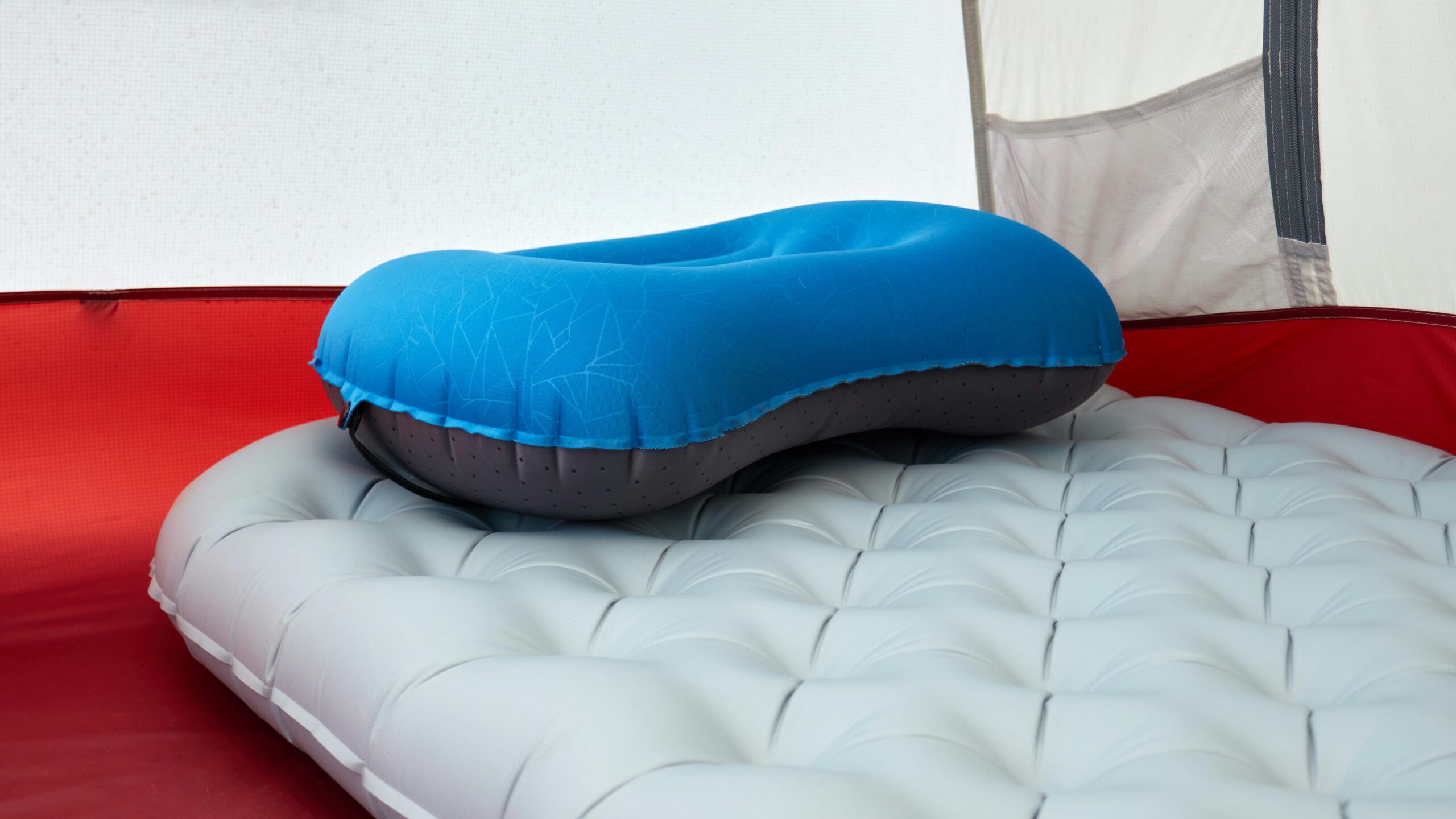
Klymit Insulated Static V Sleeping Pad
high R‑value pad
$143.86

Naturehike Dune Hot Tent (4‑Season)
hot tent option
$499.00

ZOOOBELIVES 10 °F Hydrophobic Down Sleeping Bag
premium down bag
$139.99

Naturehike Down Pants
insulation for body
$71.99

GEERTOP 2 Person 4‑Season Tent
classic 4‑season tent
$152.99

Black Orca Featherlite Ultralight Quilt
lightweight quilt
$79.98
Here are a few highlights:
| Product | Why It’s Worth Considering | Pros | Cons / Things to Watch | Real-World Notes / Tips |
|---|---|---|---|---|
| Amazon Basics –5 °C Cold Weather Mummy Sleeping Bag | A budget winter-capable sleeping bag. For moderate cold nights or as a backup. | Affordable, good for entry-level use | Bulkier, less durable than premium bags, insulation may struggle in deep freeze | Great as a secondary or “just-in-case” bag. I used one on a late-fall car trip; with a warm liner and good pad, it stayed tolerable to around –5 °C. |
| BioLite CampStove 2+ | Multi-purpose wood-burning stove that also charges USB devices. | Burns sticks / twigs (no fuel needed), can trickle-charge your phone or lights, compact | Doesn’t generate massive heat indoors — needs ventilation; limited burn time for extended evenings | I ran this on a 3-night fall trip. It made excellent coffee and boiled water fast. The USB output is a game-changer (just don’t expect full phone charging in freezing temps). |
| Klymit Insulated Static V Sleeping Pad | High R-value pad to isolate you from cold ground. | Lightweight for its insulation, reliable brand, good comfort | Valves need care in cold (gaskets can stiffen) | On a frosty night, this pad kept me from feeling the cold creeping upward — the difference versus my old cheap pad was huge. |
| Naturehike Dune Hot Tent (4‑Season Tent) | Tent with stove jack (hot tent) capability — ideal for deep-cold camping. | Allows interior heat, offers a “home base” feel, 4-season protection | Heavier, needs careful ventilation, stove setup adds complexity | On a late-winter outing I used a small wood stove inside. The interior stayed cozy while outside was below –15 °C. Be cautious of carbon monoxide and always vent properly. |
| ZOOOBELIVES 10 °F Hydrophobic Down Sleeping Bag | Premium down bag with water-resistant treatment | Warm for weight, compressible, good build | Pricelier, down loses loft if saturated | I’ve used similar bags: in dry cold, they outperform synthetics. Use a liner and keep it dry. |
| Naturehike Down Pants | Often-overlooked — down insulated pants to wear in camp | Adds comfort, traps heat when sitting | Not for trekking (fragile), must layer under shell | I slipped these on after dinner while reading inside the tent — instant comfort. |
| GEERTOP 2 Person 4‑Season Tent | A conventional 4-season tent option (non-hot tent) | Easier to set up than hot tents, sturdy design | Less “luxury” than hot tents, weight trade-off | I used a 4-season pole tent last winter; with extra guy lines and good snow management, it held up well in wind and snow. |
| Black Orca Featherlite Ultralight Quilt | For campers who want less bulk — a quilt rather than full mummy bag | Lighter, more versatile, can be paired with insulation underneath | Exposed back if you toss and turn, less warmth edge-sealed | On mild winter nights (–5 to 0 °C), this quilt paired with a good pad and blanket was surprisingly effective. |
Other Gear Categories You Can’t Ignore
1. Tent / Shelter
Even the best sleeping bag struggles if the tent leaks or drafts. In winter, fewer mesh panels, stronger poles, snow sheeting, and solid guy lines are musts. The Naturehike Dune Hot Tent above gives you an edge with interior heating. Meanwhile, brands like MSR, Hilleberg, and Mountain Hardwear often lead the field for 4-season tents. (VPO Canada)
2. Sleeping Pads & Insulation
A high R-value pad is arguably as important as a bag. The Klymit Insulated Static V is one option; the Therm-a-Rest NeoAir XTherm is often cited in Canadian reviews as among the best for cold ground insulation. (Rank-It.ca)
3. Fire / Stove / Heat Source
The BioLite CampStove 2+ lets you cook and generate a little “electric warmth.” For serious cold, wood stoves or catalytic heaters (used in hot tents) are popular. Be safe — ventilation and carbon monoxide awareness are essential. (HiConsumption)
4. Layering & Clothing
Gear isn’t just what you sleep on or under — what you wear matters. Down or synthetic jackets, base layers, insulated pants, waterproof shells, hats, gloves, and gaiters are non-negotiable. Also consider accessories like hand warmers. For example, Zippo’s rechargeable hand warmer (HEATBANK 9S Plus) is praised in cold-gear roundups. (HiConsumption)
5. Moisture Control & Venting
On cold nights, condensation is your enemy. Let your tent breathe, keep wet gear out of your sleep zone, and manage your sweat. Hyper-insulated gear fails quickly if damp.
My Cold-Weather Trip Experience: What I Learned
This past November, I did an overnight winter camp in the Canadian Shield. Temps dipped to –12 °C; wind screeched overhead. Here’s what stood out:
- The difference between a mid-tier pad vs premium pad was night and day. My back used to feel cold — this time it didn’t.
- I combined a down bag + liner + quilt overtop to get layering flexibility.
- The BioLite stove made dinner fast, and its USB port gave me some peace of mind for charging a headlamp.
- The hot tent concept is incredible — stepping inside from –12 °C and feeling “normal” was magic — but it’s a commitment to safety and setup.
- I realized that sometimes the simplest upgrade (a better pad, a thicker liner) delivers more than an expensive “fancier” bag.
Since then, I never go out in cold seasons without a temperature buffer (e.g. my bag rated several degrees colder than expected), a good pad, and reliable heat options.
Pros & Cons Summary (What You Trade Off)
- Weight / bulk vs warmth — winter gear is heavier; you’ll need to prioritize what you carry.
- Cost vs longevity — premium gear costs more, but you’ll often use it more and get your money’s worth over several seasons.
- Complexity vs simplicity — hot tents, wood stoves, etc., give performance but add setup complexity and risk.
- Redundancy is your friend — always carry backups: liner, warm clothes, emergency blanket, extra fuel.
Final Thoughts & Checklist Before You Pack
- Choose a sleep system (bag + pad + liner) rated colder than you expect.
- Keep insulation dry at all cost.
- Always ventilate your tent to avoid moisture buildup.
- Pack layers you can adjust.
- Practice your stove / heat setup at home so you’re confident in cold.
“Surviving the chill” isn’t just about rugged gear — it’s about respect, preparation, and mindset. But with the right tools (like those listed above), your next autumn or winter camping trip can be one you look forward to — not dread.