Your Outdoor Friend’s Guide to Happy, Healthy Feet on the Trail
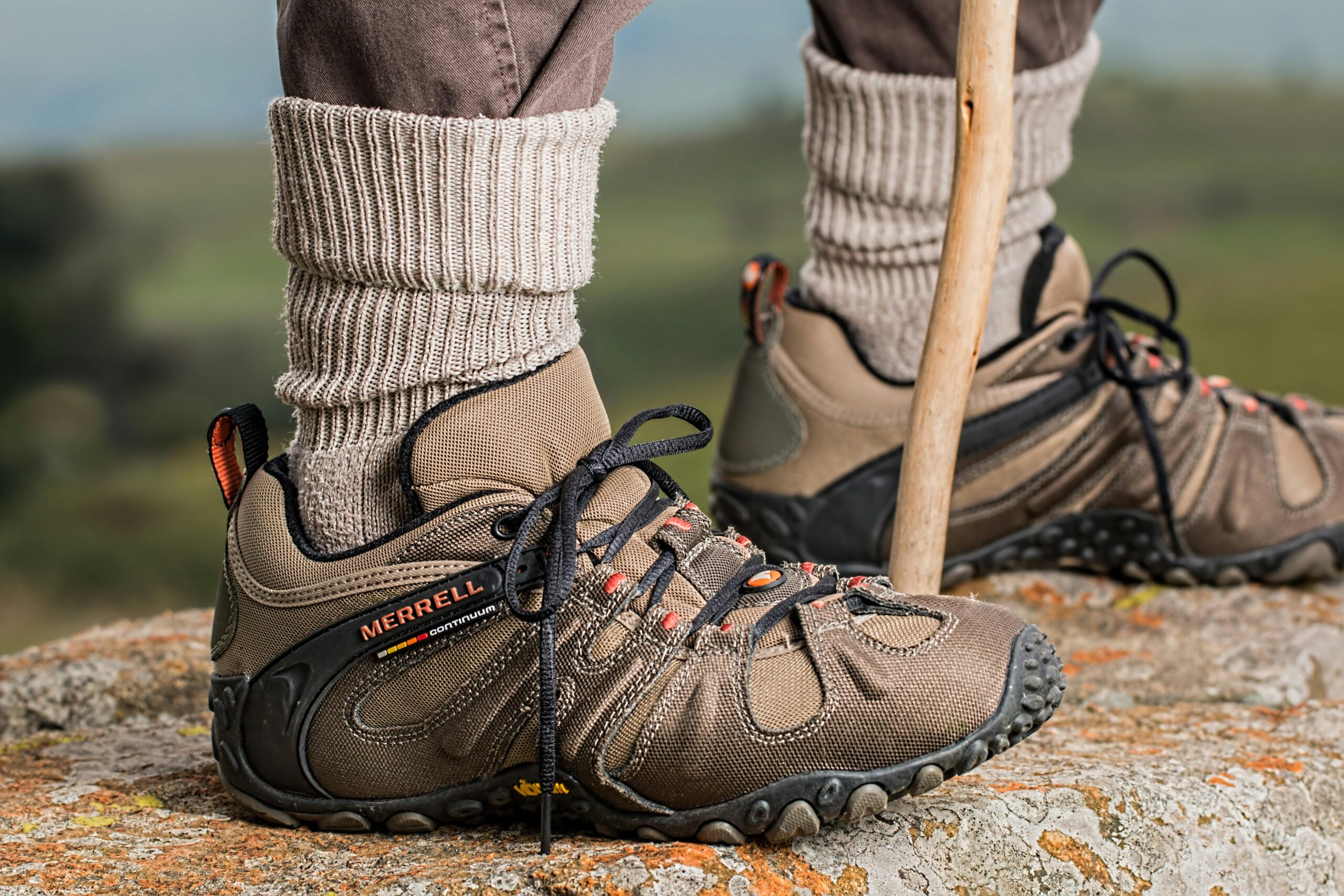
Blisters are the arch‑enemy of hikers. They can turn an epic trail into pure misery. But with the right hiking socks, you can dramatically reduce your risk of hotspots, rubbing, and that painful burn. This post will help you find the best hiking socks for blisters (especially from Amazon.ca), with reviews, pros and cons, and some of my own trials & errors on the trail. Let’s get started.
Why Good Socks Matter for Preventing Blisters
Before we dive into specific socks, it’s good to understand what makes or breaks a pair when it comes to blisters:
- Material & fiber blend — Merino wool and certain synthetics (nylon, polyester, lycra/spandex) are better than cotton. Wool wicks moisture, resists odor, regulates temperature. Synthetics help with durability and drying.
- Fit & seam design — A snug fit without bunching, roomy toe box, smooth or flat toe seams so there’s no rubbing at joints.
- Cushioning & padding — Cushion in heel, toe, and perhaps underfoot can reduce friction. But too much cushioning can lead to heat / bulk / fit issues.
- Height & cuff grip — Crew, quarter, no‑show etc., but the sock must stay in place, not slide down (a common blister cause).
- Moisture control & breathability — Sweat + friction = blisters. Good socks move moisture away, allow ventilation, and dry relatively quickly.
From reviews: many “best of hiking socks” rankings pick merino‑wool or merino blend crews with seamless toe & medium cushion as top picks.
What I Learned from My Blister Battles
I’ve hiked across varied terrain in BC, the Rockies, and Ontario. In early trips I ignored sock quality—used cotton sport socks, didn’t pay attention to fit, and let socks shift inside boots. Result? Hot spots turned into blistered toes, painful arches, and ruined evenings.
Over time, I switched to:
- Merino blend socks with moderate cushion
- Trying different heights to match boot cut
- Always packing two pairs, so I could change when damp
- Testing at home: wear them around the house, walk on inclines/slopes to see where rubbing happens
These habits, plus good socks, turned “blister nights” into “comfortable evenings by the fire.”
Top Picks from the internet & In‑Depth Reviews
Here are several excellent hiking socks you can get from Amazon.ca. I cover their features, what blister prevention strengths they have, plus drawbacks.
Darn Tough Hiker Boot Sock Cushion
lifetime guarantee
$41.00
Smartwool Classic Extra Cushion Crew
dense padding
$33.35
Smartwool Classic Light Cushion Crew
light‑summer
$26.00
Danish Endurance Merino Light (3‑Pack)
merino pack
$68.00
Smartwool Hike Light Cushion Crew
trail‑season
$30.99
ANTSANG 5‑Pair Merino Thermal/Thick
budget thick
$28.79
Amazon Essentials Cushioned Hiking Crew
entry value
$20.90
Great Northern Men’s Winter Boot Socks (2‑Pack)
winter warmth
$19.99
Here are reviews of the best ones in that list:
Darn Tough Hiker Boot Sock Cushion
What’s great:
- Thick cushioning around heel & toe, making a big difference on rough terrain.
- Merino wool blend gives moisture control and odor resistance.
- A reputation for durability—these socks are built to last.
- Excellent fit: stays in place, very little slipping or bunching even on steep trails.
Potential drawbacks:
- Price is higher than many basic options.
- Because of the cushion, fit can feel snug in tighter boots or boots with lower volume. You might need to size up.
- Warmer in hot summer weather — might overheat in high heat due to thick padding.
Blister prevention rating: 9/10
Smartwool Classic Extra Cushion Crew Socks
What’s great:
- Dense cushioning, particularly underfoot, heel, and toe. Very helpful when hiking over rocks or rough terrain.
- The arch brace helps keep the sock from moving inside the boot, reducing friction.
- Merino wool + durable synthetic blend: breathes well, dries fairly fast, keeps odor under control.
Potential drawbacks:
- Bulky feel — may take up more space in the boot. Could contribute to heat in warm conditions.
- The cost is on the higher side; fewer color/style options relative to “lighter” socks for those who care about aesthetics.
Blister prevention rating: 8.5/10
Smartwool Classic Light Cushion Crew Socks
What’s great:
- Lighter cushion, good for moderate trails or “in between” seasons.
- Merino wool blend; flat seams help prevent toe rubbing.
- More breathable than the extra cushion version, so better in warm conditions.
Potential drawbacks:
- Less padding means less protection on sharp rocks or long descents. If you’re carrying a heavy pack, your feet may feel impact more.
- Still pricey; for some hikers who want “cheap and rugged,” this might seem like overkill.
Blister prevention rating: 8/10
Danish Endurance Merino Light (3‑Pack)
What’s great:
- Multi‑pack value — helps rotate pairs and keep one dry.
- Light merino blend with targeted ventilation zones to help manage moisture.
- Less thick cushioning; good for summer, lighter boots, or when you prefer more ground feel.
Potential drawbacks:
- Light padding means more risk of discomfort when terrain gets rough.
- The lighter fabric can wear out faster in high abrasion zones (toe, heel) if you drag toe or hike a lot daily.
- Slightly less warmth in cold weather.
Blister prevention rating: 7.5/10
Smartwool Hike Light Cushion Crew Socks
What’s great:
- An excellent all‑rounder: enough cushion to feel comfortable, yet light enough to use in warmer weather.
- Solid merino mix; good reputation for managing moisture and odor.
- Crew height gives protection over boot top rubbing, yet not so high it causes bunching.
Potential drawbacks:
- Might not be warm enough for winter hiking. For cold toes or long periods in snow or sleet you may need a thicker sock.
- The lighter knit can snag more easily on rough edges (rocks, crampons etc.).
Blister prevention rating: 8.5/10
ANTSANG 5‑Pair Merino Thermal/Thick
What’s great:
- Thick cushioning, very comfortable, especially in cold weather or when hiking in boots.
- The 5‑pack gives good value; rotating dry pairs is a huge advantage.
- Good moisture wicking, with a mostly wool blend.
Potential drawbacks:
- Bulk: you’ll feel them in tight boots; may need more room or larger boot‑size.
- Too warm for summer or hot & humid hikes.
- Might compress after repeated washes—padding gets thinner over time.
Blister prevention rating: 8/10
Amazon Essentials Cushioned Hiking Crew
What’s great:
- Affordable entry point. Good for shorter hikes or as backup socks.
- Basic cushioning and decent fit. For many, much better than generic cotton socks.
Potential drawbacks:
- Likely to wear out faster than premium merino socks.
- Moisture control and odor resistance are not as high‑end.
- Cushioning relatively light; may not protect in rugged terrain.
Blister prevention rating: 6.5/10
Great Northern Men’s Winter Boot Socks (2‑Pack)
What’s great:
- Winter warmth, thick boot cut; great for cold hikes, snow patches, icy mornings.
- Double pack means you have a spare, good for alternation.
Potential drawbacks:
- Bulk & warmth mean hot feet on warm trails.
- Less breathability; moisture buildup risk if hiking in warmer conditions unless you can dry boots/feet.
Blister prevention rating: 7/10 in winter; lower in warm conditions
Comparing to What Experts Say
- Many “best hiking socks” reviews (GearJunkie, Switchback, etc.) pick Darn Tough Micro Crew Cushion or merino blend socks as top overall. (GearJunkie)
- For lighter or summer use, they recommend light cushion or “no‑show / quarter height” socks to reduce bulk. (Treeline Review)
- Extra cushioning and double layers often show up in “best for cold / winter / rough terrain” lists. (Popular Mechanics)
So, what I picked aligns pretty well with expert consensus.
How to Pick the Right Sock for Your Foot & Trail
Here are decision points to guide you:
| Situation | Choose more cushion or thicker sock? | Choose lighter / thinner sock? |
|---|---|---|
| Cold weather, snow, wet conditions, winter hiking | Yes — look for full cushion, thick wool blends, height to protect boot top. | No — thicker socks may lead to overheating and sweat accumulation if too warm. |
| Hot weather or summer trails | Choose lighter or light cushion, merino/synthetic blends, good ventilation. | Skip thick socks; even merino may feel too warm. |
| Long hikes / multi‑day pack trips | Multiple pairs, rotate, dry overnight, plus thicker socks for evenings. | Lightweight socks for daytime; maybe a thicker pair for camp. |
| Boots with tight fit or low toe box | Try lighter or thinner socks so fit still works. Or size up boot + sock combination. | If boot fits plenty, thicker may be fine. |
Pros & Cons: Premium vs Budget vs Thick vs Light
| Category | Pros | Cons |
|---|---|---|
| Premium merino / merino blend | Excellent moisture control, odor resistance, comfort, durability. | Higher cost; possibly bulkier; may require more care (gentle wash, lay flat). |
| Thick cushion socks | More protection against impact; more padding over rough terrain; warmth. | Bulk, heavier; may cause overheating in warm weather; may require larger boot size. |
| Light / summer socks | Light, quick drying, less chance of overheating; more ground feel. | Less padding → more exposure to friction; may wear faster; less warmth for cold / wet nights. |
| Budget / synthetic socks | Affordable; good backup pair; adequate comfort for shorter hikes. | Less durability; less odor control; may lead to more blisters if worse fit or seams; less plush padding. |
My Top Choices Based on Trail Conditions
Here’s what I personally use depending on what kind of hike I’m doing, and what works best:
- Rocky alpine trails in shoulder seasons: I like Darn Tough Hiker Boot Sock Cushion — lots of protection, fits well, lasts for years.
- Summer long day hikes: Smartwool Light Cushion crew is my go‑to; light, breathable, minimal heat.
- Cold or winter hikes: ANTSANG thick merino pack or Great Northern winter boot socks. Warm, but I pack a dryer in camp!
- Multi‑day hikes / through‑hikes: Rotate 2‑3 pairs. One thicker for evenings, light for day, and always a spare in case one pair gets soaked or develops a hole.
Final Thoughts
Blisters may feel inevitable at times, but they’re really not — often the result of mismatch: of sock material, of fit, or of moisture control. The right pair of hiking socks (or pairs) can reduce 90% of the risk. It might cost more up front, but the comfort, fewer ruined hikes, and longevity make it worth it.
If I had to pick one pair from above if I were going on a long, varied terrain hike and had to take only one, I’d go with the Darn Tough Hiker Boot Sock Cushion — best all‑round protection and blister prevention. For summer, maybe the Smartwool Light Cushion Crew.