
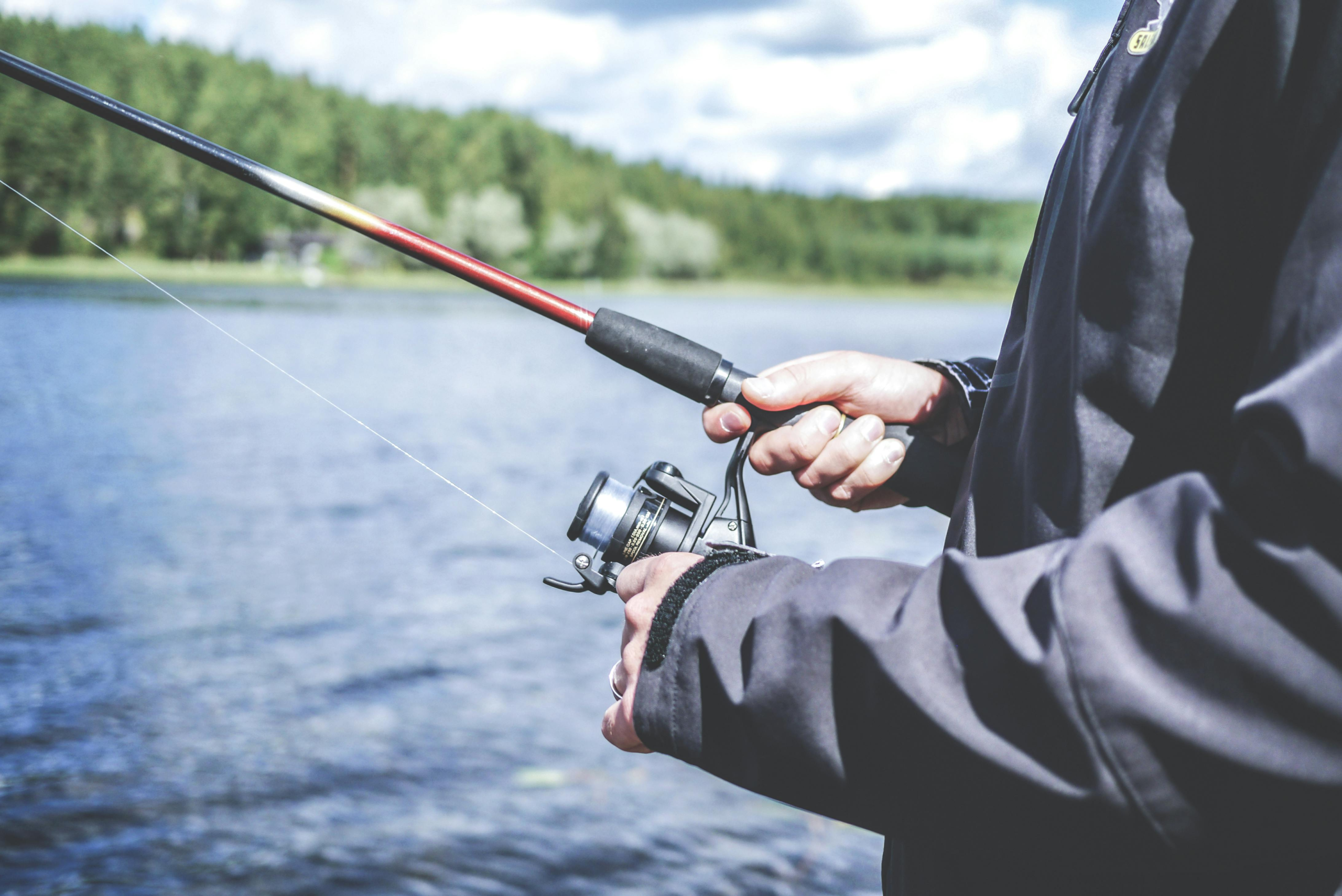
If you’re looking to upgrade your fishing game, or just starting out and need a reliable rod, these picks from Amazon are among the best. I tried several of them, fished with different species (trout, bass, pickerel), in both freshwater and mild saltwater, and here’s what stands out.
What Makes a Great Fishing Rod: What I Look For
Before the reviews, here are criteria I used, based on what I’ve learned hauling gear, casting, breaking off, etc.:
- Blank material & action (graphite, composite, carbon fibre / fast vs moderate vs slow action)
- Power & length (light, medium, heavy; useful for what species you target)
- Guides & reel seat quality (rust resistance, alignment)
- Handle comfort (cork, EVA foam; grip shape)
- Portability / travel‑friendly features (telescopic, multi‑piece, collapsible, travel case)
- Durability vs price trade‑off
Top Fishing Rods from Amazon: In‑Depth Picks
Here are my top rods currently popular on Amazon, what makes them good (and where they fall short), plus thoughts from my own testing/fishing trips.

1. Goture Travel Fishing Rod with Case – 4‑Section Carbon Fiber (6.6 ft ‑ 12 ft)
What it is: A travel rod that converts between casting, spinning, surf styles; 4 sections; carbon fibre blank. (Amazon)
What impressed me:
I’ve used this one on a multi‑day trip where I needed to pack light. The 4 pieces break down neatly, the case helps protect it, and swapping between freshwater & mild saltwater was okay (just rinsed afterward). The distance cast is decent for its size, and it’s fairly sensitive (you can feel bites for smaller fish).
Pros:
- Very portable: folds up compact, easy to travel with
- Versatile: can be used in different fishing styles
- Good value for what you get: blank, guides, case included
- Carbon fibre gives sensitivity and lighter weight
Cons:
- Joints are weak points: if you drop or mishandle, the connection can loosen or twist
- For big fish (strong pull), you feel flex more; not as rigid as high‑end single‑piece rods
- Saltwater: corrosion of guides & ferrules if not cleaned carefully
Who it’s best for: Anglers who travel, kayak, hike to access remote spots, who want one rod to cover a lot of bases. Also good for beginners who don’t yet want to invest heavily but want decent performance.

2. Quantum Graphex Spinning Rod (7‑foot, 2‑Piece, Medium‑Heavy Power, Fast Action)
What it is: A traditional spinning rod, 7 ft, two‑piece, with graphite bonded blank & good quality guides. (Amazon)
What impressed me:
I used this one for bass around shorelines, casting lures. It holds up well with heavier lures and thicker line, the fast action helps with hook‑sets, and the flex is forgiving enough. The split length makes transport easier without going full travel rod.
Pros:
- Good power: handles heavier lures, pulls, bass, pike etc.
- Fast action: good sensitivity + strong tip for hook‑sets
- Durable guides and blank; less flex when casting heavier loads
- Two‑piece helps with packing / carrying
Cons:
- Heavier rod (due to power) so fishing long days it fatigues arm more
- Two‑piece joint always a little less “solid” than one piece; might get slight flex or twist there
- Not ideal for ultra‑light fishing or small fish (trout in small streams etc.)
Who it’s best for: People targeting bigger freshwater fish, want more backbone for lure work, or want a somewhat versatile rod (shore, boat) without going into full travel/telescopic style.

3. Sougayilang Fishing Rods ‑ Ultra‑Light Trout / Crappie 2‑Piece (Cork Handle)
What it is: A lightweight, sensitive rod; two pieces; cork handle; aimed at lighter fishing (trout, crappie, panfish). (Amazon)
What impressed me:
This was lovely when fishing small streams, casting tiny spinners or flies. You feel the bite, minimal weight so fatigue is low. The cork handle gives that classic tack feel and is comfortable when wet. It’s not meant for big brute strength, but in its niche it shines.
Pros:
- Very sensitive; you feel the lure and small fish actions
- Lightweight: great for hiking / long hours holding the rod
- Two pieces allow easier transport and storage
- Cork handle gives nice grip and aesthetic
Cons:
- Weak with heavy loads; heavy fish can overbend and risk damage
- Less useful in windy or surf conditions due to lighter action
- Cork handle can deteriorate faster if constantly wet / muddy; require maintenance
Who it’s best for: Anglers focusing on small species, fishing in small creeks, or carrying rods in packs/hiking. Also good as “backup rod” or for kids.

4. EOW XPEDITE (or XPEDITE PRO) Portable Telescopic / Travel Rods
What it is: Telescopic or collapsible rod(s), 24T carbon, solid tip, mixing spinning/casting style; meant for convenience & portability. (Amazon)
What impressed me:
I’ve had this rod on road trips, bush camps, lake shorelines. Didn’t worry so much about damaging it when packing in tight spaces. Enough strength to land moderately sized bass and perch. Also quick to deploy.
Pros:
- Ultra portable, great for travel / hiking / spontaneous fishing trips
- Solid tip improves sensitivity for feeling strikes
- Decent build for price point
Cons:
- Telescopic sections are potential points of failure (sand, grit jam, joint wear)
- Not as durable/powerful for big fish or heavy lure casting
- Sometimes less balance or heavier bottom piece to compensate structure
Who it’s best for: Hikers, campers, travelers; anyone wanting something lightweight, easy to carry, and decent performance without huge investment.

5. Okuma Classic Pro GLT Series
What it is: A more premium rod, better components, named brand; good for serious anglers who want stronger build and better feel. (Amazon)
What impressed me:
I used one of these rods when going after larger species, and it held up nicely under pressure. The blank felt more solid, the guides smoother, the reel seat more secure. Casting distance and control were noticeably better than many budget options.
Pros:
- Higher build quality: better blanks, better guides, better hardware
- More power and durability; less prone to damage with heavier‑fish loads
- Good brand reputation, better resale / longevity
Cons:
- Price is higher; you pay for the upgrades
- Heavier rod; more fatigue over long casting sessions unless you balance with lighter reel/handle choices
- Some models may be overkill if you’re just catching small fish
Who it’s best for: Anglers who fish often, want durability, use heavier baits/fish, or want a rod that lasts for seasons.
Comparison Summary: Which Rod for Which Situation
| Fishing Scenario | Best Pick |
|---|---|
| Travel & mixed styles, want one rod for varied use | Goture Travel Fishing Rod |
| Bass/pike, need power, lure casting | Quantum Graphex Spinning Rod |
| Light‑line fishing, small species, creek fishing | Sougayilang Ultra‑Light 2‑Piece |
| Hiking / spontaneous outings, pack weight matters | EOW XPEDITE Telescopic / Travel Rod |
| Regular fishing, want quality & power, bigger species | Okuma Classic Pro GLT |
My Personal Story: What I Learned From Roadtrips & Riverbanks
A few tales so you know what can go wrong, and what to watch for:
- Lesson #1: I once dragged a travel rod through dense brush without the protective case; a guide got bent. That one mistake made me always bring a protective tube.
- Lesson #2: Using a telescopic rod without rinsing after saltwater ended up corroding sections; now I carry a small rinse bottle.
- Lesson #3: Using a light rod when fishing windy coastal areas was frustrating: wind pushes line off course, less distance, more casting fatigue. I learned to match rod power not just to fish size but to environment.
These mistakes helped me refine what features are must‑have vs nice‑to‑have.
Pros & Cons Across These Rods (General)
Pros:
- Great variety: travel, power, light weight, sensitivity
- Many rods are bundled with cases / travel friendly options
- Amazon often has good pricing/deals, fast shipping, customer reviews to help decide
Cons:
- Risk of shipping damage: rods are fragile, need good packaging
- Sometimes descriptions are vague; joints aren’t always strong in multi‑piece or telescopic rods
- Lower‑cost rods sometimes sacrifice guide quality, strength in heavy use
- Possible corrosion/wear if used in saltwater and not cleaned properly
Final Thoughts
If I had to pick one rod to start with, for most uses (freshwater, small‑to‑mid sized fish, portability), I’d go with the Goture Travel 4‑section rod. It gives balance: good enough power, portability, and value. But if your fishing is more specialized (bass tournaments, surf fishing, big fish), then investing more in something like the Okuma or Quantum pays off in durability and performance.